
What Are Peptide Research Compounds Used For?

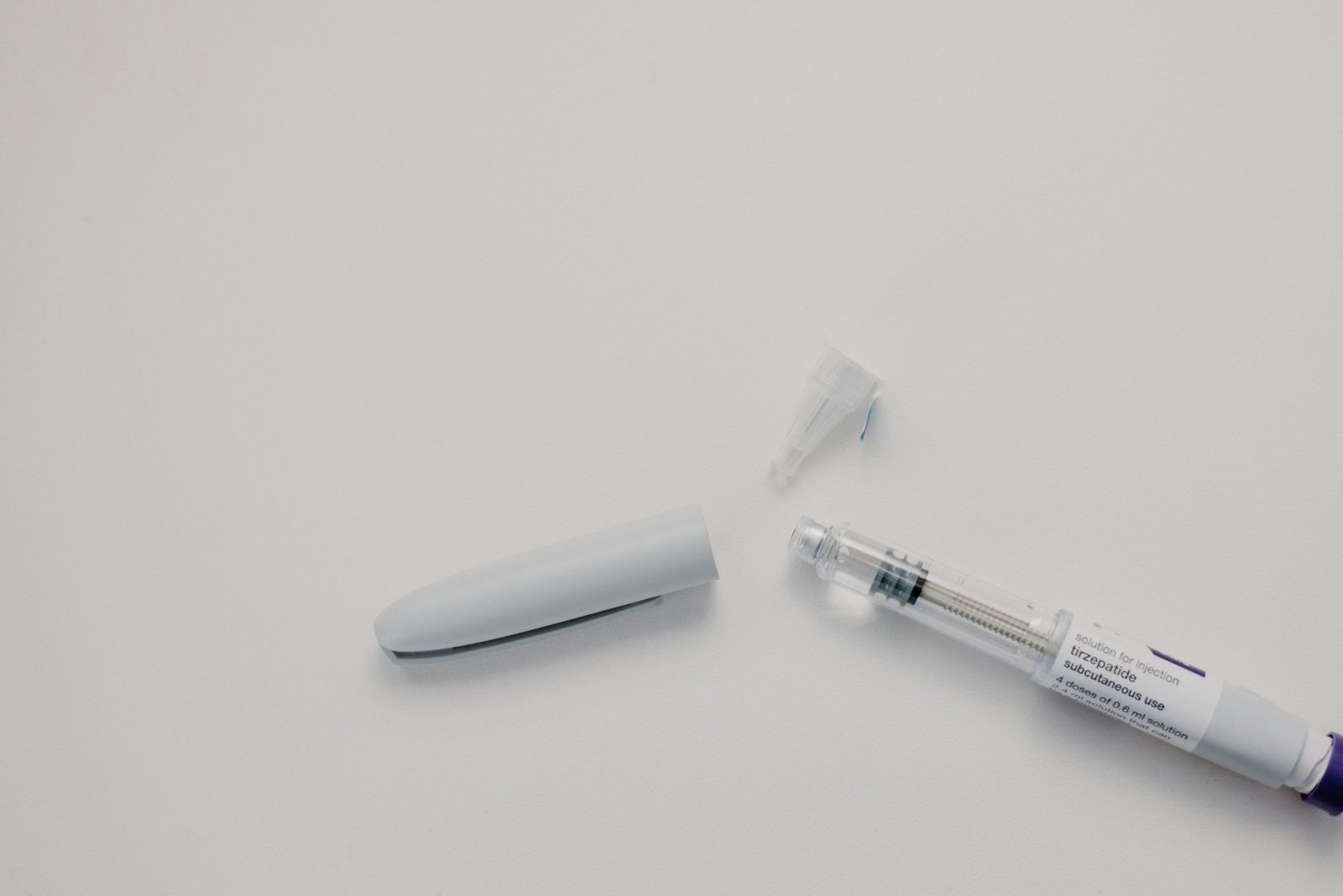
Peptide research compounds are used in labs across many types of research. Whether scientists are studying how cells grow or how proteins interact, these compounds help make that research possible. They’re created specifically for laboratory use and always come with documentation that confirms what’s inside, how pure the compound is, and how it should be stored.

During colder winter months, like February in Idaho Falls, planning becomes even more important. Low temperatures can affect how stable certain research materials stay during shipping or storage. Understanding when and how to work with these compounds helps labs avoid setbacks and get the most out of their work. Keeping compounds in good condition starts with knowing what they are and what to watch for.

Understanding What Peptide Compounds Are

Peptides are short chains of amino acids, which are the building blocks of proteins. While proteins are usually much longer and more complex, peptides are smaller and easier to study in controlled settings. That makes them useful for focused lab testing where precision matters.

Compounds labeled as “for research use only” are not made for human or animal consumption. Instead, they are tested and documented for use in non-clinical environments. They often come with a Certificate of Analysis that confirms what the peptide is, how pure it is, and what testing methods were used to check it. This helps labs know exactly what they’re working with before any study begins.

Study reliability often comes down to the details. A compound might seem fine at first look, but without proper labeling and verification, there’s no way to guarantee results. That’s why these reports and documents matter. They help researchers spend more time on the actual study, not second-guessing their tools.

Where Peptide Research Compounds Show Up in the Lab

Peptide research compounds are used in many types of scientific work. They help researchers study basic systems in the body or explore new treatment possibilities in a safe, controlled way.

Some areas where these compounds are commonly used include:

  • Metabolic studies to see how the body uses energy and nutrients.
  • Cellular repair research that looks at how tissues react after stress or injury.
  • Cognitive projects that explore how peptides may affect memory and focus.
  • Regenerative lab work focused on how cells grow or reproduce over time.

Each project has its own pace and goals. Some studies may take months, while others need quick results. The peptide selected has to fit the design of the experiment. For example, a high-purity peptide might be needed for a sensitive test where any contamination could change the outcome. Choosing the right compound for the right moment is part of what keeps research accurate and clear. We use peptide research compounds because they support this kind of focused, dependable lab work.

Planning Around Weather and Shipping Conditions

Research does not stop for the seasons, but peptides and other materials do react to temperature shifts. In Idaho Falls, where winter brings freezing weather and even snowstorms, the way shipments are packed, stored, and scheduled becomes a bigger part of the planning.

Cold weather can affect the structure of certain peptides if they’re not packaged or handled properly. That’s why we pay attention to how long shipping takes, what kind of containers are used, and where materials are stored once they arrive. Timing is just as important as testing.

Here are a few things we do when working with peptides during winter:

  • Keep storage units steady with no big temperature swings.
  • Limit time out of refrigeration during delivery or lab transfers.
  • Review labels and test results once packages arrive to make sure nothing changed.

These extra steps help protect both the materials and the studies they support. It is easier to stay on track when we know the products we’re using were stored and shipped the right way.

Important Details Labs Look For Before Use

Not all lab materials are equal, even when they look alike. Before using a peptide, we always check the documentation that came with it. These records tell us if the product matches the label and how it was tested.

What we look for most often:

  • Purity levels, listed as a clean percentage.
  • CAS number to confirm the chemical makeup.
  • Batch or lot ID numbers to trace where it came from.
  • Methods used during testing, like HPLC or mass spectrometry.
  • Storage instructions that help keep the product stable.

When these points are clear and complete, our confidence in the material goes up. If anything feels vague or out of place, it is a sign to slow down. Good research depends on consistency. If we repeat a test using another batch later, we want to know that every detail stayed the same. That kind of clarity starts with knowing what is in the bottle before it is ever opened.

Moving Forward with Smart, Safe Research

Peptide research compounds help make it possible to ask smarter questions and reach clearer lab results. They play a valuable role in helping researchers test how systems respond, correct, or shift over time. When materials are reliable, the results have more meaning.

Planning when and how to use these compounds is part of taking lab work seriously. From choosing the right product to adjusting for seasonal shipping, we take each step with care. Especially during February, when cold temperatures can introduce new challenges, staying prepared helps our projects move forward without surprises. Reliable materials lead to reliable research, and that is something we always work toward.

At Guardian Labs Blogs, we stay focused on helping labs run safer studies with better planning and well-documented materials. Winter research requires extra care, especially in colder areas like Idaho Falls, where shipping and storage need close attention. Whether your study involves metabolism, cell repair, or cognitive functions, having reliable information on what you’re using can make a real difference. To see what’s available now, browse our current selection of peptide research compounds and let us know how we can support your lab’s needs.

Steps to Set Up a Research Protocol for Metabolic Peptides

Getting started with metabolic peptide research takes more than a sample and a microscope. For clean, reliable results, every step needs a clear plan. That’s why peptide research protocols matter. These plans help keep everything on track from the first delivery to the final set of data.

In February, colder weather in places like Idaho Falls can affect how research materials are stored, shipped, and handled. If lab schedules don’t account for winter slowdowns or temperature-sensitive materials, a whole experiment can fall behind or need to be redone. Having a protocol in place early helps avoid those problems before they start. We’ll walk through how to set up a strong protocol that supports metabolic peptide studies from beginning to end.

Understand the Peptide’s Role in Your Study

Before setting schedules or unpacking orders, it helps to understand exactly what the metabolic peptide is expected to do. These peptides are often used in studies focused on energy use, metabolism, fat regulation, or cellular response. But not every compound acts the same.

Knowing what the peptide does helps shape your overall study goal. Are you looking for changes in cell behavior? Are you comparing it to a control or monitoring impacts over time? Once you’ve clearly tied the peptide to your research objective, you can better decide how to handle, dose, and measure it.

Here’s why this first step matters:

  • Choosing a peptide without knowing how it reacts under test conditions could waste weeks of lab work
  • If you’re unsure about the compound’s behavior, you risk misreading results or needing to repeat the experiment
  • A well-defined role for the peptide is the base for writing up your full lab process

Organize Your Materials and Team

Once the peptide is chosen and your focus is set, pull together everything you’ll need to run the tests. This goes beyond vials and pipettes. Think forms, storage setups, notebooks, and labeling supplies. It’s easier to build accurate data when everything is ready before you start measuring.

It also helps to assign clear roles to the people involved. Even in smaller labs, miscommunication can hold things up if no one’s sure who logs readings or double-checks freezer temps. As winter weather impacts shipping and lab deliveries, being organized can mean the difference between a smooth run and wasted reagents. Consider factors like:

  • Who handles logging and writes up sample notes
  • Who tracks reagent levels and restocks when needed
  • What backup plans are in place in case shipments hit delays

Early planning keeps the group aligned, especially when February brings freezing temperatures that can affect sample integrity if anything’s left out or delayed.

Build a Clear Testing Timeline

A detailed timeline gives your whole project structure. It maps out when the peptide is expected to arrive, when testing starts, and when final results are due. Building in extra time this season is especially important. Road closures, weather delays, or courier issues could slow down deliveries in cold regions.

Rather than rushing, schedule key points in advance. It helps your team spot any overlap or gaps before they interrupt the process. Use the timeline to plan out these core events:

1. Order and receive peptides

2. Set up the lab space and check equipment

3. Run any pre-tests or control experiments

4. Begin the main test cycle

5. Record data, clean up, and review

If you include time buffers between each step, your lab isn’t scrambling if gear breaks or a shipment takes an extra day. You’ll reduce stress and limit the chance of rushing through steps that matter most.

Draft and Review Your Procedures

Once the plan is in place, the next move is writing everything down as step-by-step procedures. These written directions are the heart of your protocol. They let everyone in the lab repeat the same steps the same way each time. You don’t need to overcomplicate it. Just keep things detailed enough that someone else could repeat the whole test without guessing.

To keep your testing consistent and safe, focus on:

  • Writing out each process clearly, including measurements and timings
  • Including steps for handling and disposing of materials
  • Listing safety rules, especially for chemical exposure or cold storage

Before going full speed, do a short practice run. This helps you catch unclear steps or anything that could cause a mistake later on. Cold tools or slow reactions can feel different in winter labs, even if they seem small. Adjusting early saves time down the line.

Log and Analyze Data Correctly

Once experiments start, the way you track and store data matters just as much as what you’re recording. Every piece of information, from sample times to temperature shifts, can change how results are read later. In colder months, it’s smart to check that freezers and room temps are holding steady. Small drops could change how the peptide behaves.

Here are simple but effective ways to keep research logs strong throughout the test period:

  • Label all sample containers clearly with dates, initials, and batch numbers
  • Write notes during each session, not after
  • Store digital and hard copies of data in at least two places
  • Review data often to catch patterns or mistakes early

Well-kept records make it easier to build on your results or compare findings with others. Peptide research protocols aren’t just for today’s test. They support future steps too. Good data gives your lab something solid to move forward with.

A Smoother Path to Stronger Metabolic Studies

Setting up clear peptide research protocols isn’t about being strict. It’s about giving your team the structure it needs to produce results you can trust. By thinking through each step, from storage and shipping to final sample logs, you avoid common setbacks and create a smoother road for your whole study.

February conditions may slow deliveries or change lab routines, but with smart planning and team coordination, those bumps don’t have to stall your progress. When everyone follows the same plan, your work will hold up better across time, seasons, and teams.

At Guardian Labs Blogs, we know strong research starts with the right tools, clear plans, and timing that fits your lab schedule. Whether you’re preparing for a cold-weather testing cycle or mapping out a new metabolic study, having structured support makes a big difference. If you’re ordering materials soon, double-check that your supplies match your timeline, especially during winter shipping seasons. You can explore resources that align with your peptide research protocols and build the kind of workflows your team can count on. If you have questions or need help getting started, contact us.

Why BPC-157 Purity Testing Matters in Lab Research

When a lab study depends on small differences in cell response or chemical behavior, purity matters more than most people think. That’s where peptide purity testing really comes into play. It helps confirm that a research peptide is exactly what the label says it is and nothing more. Clean, stable, and unaltered.

It’s not just a formality. During winter, especially in colder places like Idaho Falls in February, shipping delays and freezing temperatures can make these tests even more important. Samples might get bounced around in trucks or sit too long in unstable environments. Purity testing gives researchers a way to check that everything still holds up before putting any BPC-157 into motion in the lab. In some cases, researchers must wait out storms or road closures, making proper testing even more crucial for keeping projects on track and ensuring consistent conditions across multiple lots.

What Purity Means in a Lab Setting

Purity measures how much of the material in a vial is the actual peptide and how much could be leftover byproducts, moisture, or other residues. For a research peptide like BPC-157, that includes confirming the correct amino acid sequence and ensuring that degradation fragments or synthesis byproducts are minimized. It sounds simple, but there’s more at stake than just cleaning up. If the peptide isn’t as pure as expected, even tiny amounts of contaminant can cause results to be misleading or hard to repeat, impacting every part of the study.

Here’s why it matters:

  • Even a small contaminant can throw research off by affecting how cells or reactions respond
  • Unwanted material might mask or mimic lab results, making it hard to tell what’s real
  • Purity affects how repeatable the experiment will be over time or between test batches

In short, when we talk about purity in a lab, we’re not talking about being picky. We’re talking about protecting studies, making clean comparisons, and being able to draw useful conclusions that other researchers can actually trust. Researchers rely on predictable, consistent BPC-157 samples so that their work can be checked, confirmed, or repeated later by others in the field.

Common Testing Methods for Purity

We don’t rely on eyeballing a peptide sample. We test it with the same equipment most labs use when they need clear, detailed answers. Peptide purity testing often includes tools like HPLC and Mass Spec, each with a specific job.

Here’s how they help us out:

  • High-performance liquid chromatography (HPLC) breaks the sample apart and separates its components to measure how much of the sample is actually the BPC-157 peptide we expect
  • Mass spectrometry (Mass Spec) looks at the weight of the atoms and structure to confirm that the compound matches the correct molecular formula and sequence for BPC-157

These methods give us a full picture. Not just what’s there, but exactly how much, whether anything extra has snuck in, and whether the chemical structure still checks out. Without these checks, small errors could grow into bigger research problems down the road. Guardian Labs highlights 99% HPLC testing on its research-use-only compounds, including BPC-157, which gives researchers a clear benchmark to compare with their own purity results and COAs. Both HPLC and Mass Spec analyses offer repeatable, easy-to-interpret results, helping teams maintain high standards from shipment to storage to final use in experiments.

Sometimes, labs will run more than one round of tests to ensure that every BPC-157 sample remains stable, especially when delays or possible exposure to moisture are suspected. The backup of comprehensive documentation and third-party testing reports can help labs confirm that everything meets the expected requirements no matter how many hands a package passes through on its way to an Idaho Falls lab during February’s challenging weather.

Why Winter Shipping and Storage Adds Risk

Cold weather isn’t just uncomfortable, it can cause real problems when moving sensitive lab materials. In Idaho Falls, where February days often dip below freezing, transporting peptides like BPC-157 safely requires even more care.

What happens when things go wrong:

  • Freezing and thawing cycles can break down peptide bonds or change how the material holds together
  • Long delays or poorly sealed containers can let in moisture or air, both of which interfere with purity
  • When that happens, the actual results from testing might not reflect the peptide’s original condition

After delivery, we take a close look for clumps, discoloration, weird textures, or moisture build-up. Each sign might hint that it’s time to retest. Purity testing acts as a backstop. It gives us one more chance to catch damage before sample use starts changing the outcome of an entire BPC-157 project. Especially during colder months, it’s practical to store peptides in dedicated cold storage or use insulated containers when shipping between facilities. If samples look even a little different from previous batches or records, quick retesting ensures that work continues smoothly.

Taking the time to double-check sample quality in harsh weather keeps projects moving forward and helps teams avoid repeating long experiments throughout winter’s unpredictable months. Even a brief exposure to the freezing outdoor air when unloading a package can affect sample texture or create tiny water droplets inside the container, so clear visual checks, careful logging of arrival conditions, and detailed purity tests all come together to provide complete confidence in each BPC-157 sample’s reliability.

When Test Results Don’t Match Expectations

Sometimes, things don’t line up like they should. A purity number comes in lower than expected. Or the molecular structure shows a variation. When that happens, we don’t ignore it. We run checks again to figure out what changed.

Here’s what we usually see when testing turns up a problem:

  • Contamination that snuck in during handling, even from nearby equipment
  • A mix-up in fulfillment or tracking that sent out an incorrect batch
  • Improper storage that allowed exposure to heat, light, or moisture

When something feels off, it usually is. That’s why we retest when results don’t match expectations. One failed test doesn’t end the line of research, but ignoring it can waste time, materials, and months of careful planning. Confirming the cause behind a failed purity check can help avoid the same situation on future BPC-157 orders. Rearranging storage, updating documentation controls, or checking handling procedures are all steps that many Idaho Falls labs review each winter.

Recording both the original test results and any retesting data ensures that laboratories have a record to fall back on if a project is reviewed or repeated later. Testing when you spot odd results provides a safety net while helping labs maintain trusted, accurate reporting all winter long. Clear tracking and third-party data around BPC-157 testing also support transparent quality control for future experiments.

Starting Clean Makes a Big Difference

Good work always starts with good habits. And in research, that means beginning with materials we can trust. Peptide purity testing helps give labs that confidence. All BPC-157 products at Guardian Labs are sold strictly for laboratory research purposes. For research use only. Not for human consumption. Purity checks stay focused on supporting controlled studies, not treatment claims. The cleaner the material, the less likely it is that something unexpected will skew the data.

When studies stretch on for weeks or build on earlier phases, starting with a stable, tested BPC-157 peptide saves time and avoids backtracking later. We treat this part of the process as the first checkpoint, not an afterthought. Because when that first step goes right, everything else moves forward on much steadier ground.

At Guardian Labs Blogs, we know clear research starts with clear inputs, which is why we focus on keeping every step as consistent as possible. Storing, handling, and verifying each peptide matters even more when colder weather adds new variables to the mix. Working in the lab this season, don’t leave sample quality up to chance. Our support materials and quality checks can help guide your next steps in peptide purity testing. We are here for any questions or guidance you need, so reach out to us directly anytime.

How Researchers Test Peptides for Accurate Results

Before a research peptide is used in any lab experiment, it first has to pass a few important checkpoints. Scientists do not just take a vial at face value. They test it. They check that the peptide is what it says it is, that its structure is intact, and that it’s clean enough to deliver steady results. If those steps are skipped, no one can feel confident about what that material might do under the microscope.

That is why knowing how peptides are tested matters. It helps researchers stay on track, especially when they are working on projects where results have to be repeatable and trusted. A good test means fewer surprises and a whole lot more confidence in the work ahead.

What Labs Are Looking For When They Test

Every tested peptide starts with a question: does this sample meet research standards? Labs look at several things to answer that, and each one plays a different role in keeping the science solid.

Here are the key details researchers look at during testing:

  • Identity, which confirms the sample actually is the peptide it is labeled as
  • Purity, or how clean the sample is without leftover material from synthesis
  • Stability, which shows how well the peptide holds its shape over time
  • Contamination, which includes anything else that made it into the vial

Even small problems early on can throw off an experiment. If purity is lower than expected, or a mistake happened in how it was handled, that could mean ruined samples or missed results. So labs start with clean, careful reviews to give the whole process a strong foundation. It is not just about safety. It is about building research on solid ground. We focus on high-purity research-only peptides, which fits naturally with this emphasis on front-end testing before any work begins.

Common Testing Methods Scientists Use

When we test peptides, we rely on tools that can take a close look at a sample’s structure and composition. These tests are highly detailed, but the major ones only focus on a few key points. Two of the most common are HPLC and Mass Spec.

Here is how they work inside most labs:

  • High-performance liquid chromatography (HPLC) is used to check for purity. It separates the contents of a sample to reveal how much of it is actually the peptide and how much is anything else.
  • Mass spectrometry (Mass Spec) helps confirm the molecular structure. It measures the weight of the peptide and matches it with expected patterns, so scientists know the exact compound is present.

Testing does not stop there. Some labs also check how well a peptide performs across time or under specific conditions. But the basics come back to these two tests. They tell us most of what we need before any sample touches experimental tools. So when we say we know how peptides are tested, it is really about having clear results from trusted methods we have used again and again. On our site, research use only compounds are listed with 99% HPLC testing, underscoring how central these methods are to our peptide lineup.

How Environment Affects Testing Results

One thing we are always watching, especially in winter, is how a peptide reacts to its environment. Around late January, the temperatures in Idaho Falls can dip well below freezing. That kind of cold is not just uncomfortable. It can cause shifts in how samples hold up during shipping, storage, and testing.

Peptides do not handle wide temperature swings well. If a sample freezes, thaws, then freezes again, it may start to degrade. That can change the purity or affect how stable the compound stays in the lab. Even light and oxygen can play a role if a vial is not sealed tight or stored correctly.

To keep results accurate, scientists usually look for signs of trouble after shipment, such as:

  • Changes in the appearance of the sample, like discoloration or clumping
  • Differences in how much active material shows up on a second HPLC scan
  • Storage conditions written on the COA not matching how the product was handled

This extra layer of awareness around climate is not just about risk. It is also part of making sure every batch lives up to expected quality. Research is already challenging enough. Environmental stress just adds another reason to double-check.

What Happens When a Test Comes Back Off

Not all tests give a thumbs-up. Sometimes, results come back with something out of line. Whether it is a purity number lower than expected or a structure mismatch that does not belong, bad data always needs a closer look.

Common problems that cause off results include:

  • Improper or expired storage
  • A mix-up during fulfillment where the wrong batch was sent
  • Cross-contamination from equipment or during transferring

When those signs show up, researchers will often pause and retest. If the results repeat the problem, the sample gets pulled. That step keeps flawed material from working its way into active projects. In some cases, testing a backup batch or confirming with a trusted supplier can help restart progress. But the key here is listening to the test data. When a result is off, it is trying to say something important.

Strong Starts Lead to Solid Research

A single batch of peptides can be the basis for weeks or months of study. That is why clear, dependable testing from the start makes such a lasting difference. It saves time, keeps surprises to a minimum, and builds trust that holds up every step of the way.

The more we understand about how peptides are tested, the better we can protect the work that depends on them. Whether it is running a new set of lab trials or checking stored samples to match a control group, accuracy starts with the first check. Care in the beginning often means fewer problems down the line. And for labs that test, retest, and record everything they do, that careful start sets the tone for everything that follows. We note that all products are intended for laboratory research purposes only and are not for human consumption or therapeutic use, which keeps the focus on supporting controlled studies rather than treatment claims.

Planning future research or preparing a new batch means you need materials you trust. We take every step seriously from shipment conditions to storage checks, so your experiments start off right. Whether you are comparing data over time or confirming purity, knowing exactly how peptides are tested can boost your confidence in the results. Guardian Labs Blogs is here to support steady progress, so reach out to us with any questions about your next research order.

Guide to Understanding a Peptide COA the Right Way

Reading a lab report shouldn’t feel like cracking a secret code. But when you’re looking at a peptide COA and don’t know what it all means, it can feel that way fast. So what is a peptide COA explained in the simplest way possible? It’s a report that tells you everything about what’s in that vial, what it is, how pure it is, and whether it’s safe to use for lab work.

That report matters. Without it, you’re guessing, and guessing doesn’t cut it when you’re doing laboratory research. If any part of it is missing or wrong, results can shift or projects stall. Knowing how to read a COA right helps you avoid surprises later. Let’s walk through what to look for and what matters most, one section at a time.

What Is a COA and Why Labs Use It

A Certificate of Analysis, or COA, is a lab document that proves a product has been tested and meets the expected quality. In the case of research peptides, it confirms the identity of the compound, its purity, and whether it passed safety checks for non-clinical use. Guardian Labs notes in its FAQ that COAs for its compounds are available through a central access link, which lets researchers review testing data directly.

Here’s why COAs matter so much in lab settings:

• They give proof that each batch lines up with the chemical structure it’s supposed to have
• They show how pure the peptide is, which helps avoid changes to study results
• They confirm whether testing was done correctly and within safe handling limits

These are not just standard forms. Institutions and research organizations often require a COA before a peptide ever touches lab equipment. That level of trust has to be earned, and the COA is what helps back it up. We sell our products for laboratory research purposes only, not for human use, so that documentation is an important part of how each compound is evaluated.

Key Parts of a Peptide COA

Once you look past the paper or PDF layout, most peptide COAs will include the same basic building blocks. Understanding them makes it easier to scan a report and spot any issues quickly.

Here are a few of the most common pieces listed in a COA:

• Product name and CAS number
• Lot number or batch ID
• Purity level listed as a percentage
• Physical appearance (like “white powder”)
• Test methods used, such as HPLC or Mass Spec
• Date of testing and location of analysis

Different labs may list things in different order, but the core data stays the same. What matters most is that everything matches what’s on the product label, that the batch number is traceable, and that the testing method is a recognized one. If anything looks off or is missing, it’s smart to slow down and ask questions. On our site, peptide listings highlight 99% HPLC testing for research use only compounds, which lines up with the kind of purity and method information that should appear on a COA.

How to Spot Red Flags or Missing Info

Sometimes issues with a COA aren’t obvious at first glance. A report might look official but miss important pieces that give confidence in the material. It helps to know what gaps matter and which might cause problems later.

Watch for these red flags:

• No batch or lot number listed
• Missing purity rating or a vague range instead of a precise number
• No testing method documented (or one that’s uncommon for peptide analysis)
• No contact info or date on the test sheet

If one of those items is missing, it can point to a breakdown somewhere along the way. We never want to assume that just because a peptide looks consistent, it’s safe to use. Studies can go sideways fast from small oversights, so trust in the supplier and their process becomes a big part of getting accurate results.

Why COAs Matter During Cold Weather Shipping

Peptides can be sensitive to temperature, and mid-winter shipments introduce a few added risks. In places like Idaho Falls, winter brings harsh cold, sometimes well below freezing. This kind of weather can impact how stable a peptide stays during transport.

That’s when the COA becomes even more important. It should include handling notes or storage conditions like:

• Keep frozen or store between 2°C and 8°C
• Avoid repeated freeze-thaw cycles
• Use within a specific timeframe once opened

If peptides arrive after being exposed to extreme cold without proper care, there may be a risk of breakdown or poor performance in the lab. Having clear documentation on the COA helps avoid those issues. It keeps our teams focused on testing, not troubleshooting.

The Connection Between COAs and Consistent Research

Having a COA for every single batch makes more than regulatory sense. It helps us track our own workflows. Think about trying to repeat a study six months later and realizing the materials used weren’t fully documented. Without a COA, drawing accurate comparisons becomes much harder.

Here’s why they help in the long run:

• They create a record that ties testing outcomes to a specific product run
• They flag any differences in formulation or packaging over time
• They give us a habit of double-checking before moving forward

Over time, these habits lead to more reliable lab processes. The best research doesn’t just happen once. It repeats consistently. And for that to work, you need materials built on documented facts, not guesswork.

Trusting the Paper Behind the Peptide

Any good research starts with good information. That includes what’s printed on the COA. When that document is complete, easy to follow, and accurate, it makes everything a little smoother. It’s a small step that gives a big boost to peace of mind.

Once we know how to read a COA and what each part means, we’re better prepared to spot problems and catch things early. That saves time, helps protect the study, and builds habits for stronger research. In the end, lab work runs better when the materials it starts with are clearly tested and traceable.

Clean, consistent data is the foundation of good lab work and starts with knowing what to look for in a peptide COA explained fully and clearly. We back every batch with the details researchers need to move forward with confidence. From detection methods to proper storage notes, it’s all about maintaining quality from shipment to shelf. At Guardian Labs Blogs, we support research done right and encourage you to contact us today with any questions.

What Makes a Research Peptide Truly Lab-Grade?

When looking at research peptides for sale, the phrase “lab-grade” gets mentioned a lot. But what does that really mean? For scientists and institutions doing serious work, that label needs more than good marketing. It needs to stand up to tight research conditions, especially when data reliability is on the line.

Lab-grade peptides are meant for controlled studies, which means they must pass strict quality checks before use. Peptides that aren’t made right, tested right, or handled right can compromise the results. That’s a risk nobody wants in the middle of a study. Being clear on what truly makes a peptide “lab-grade” helps researchers make better decisions from the start. Guardian Labs focuses on research-use-only peptides that are 99 percent HPLC tested, with documentation and quality checks that match the demands of controlled studies.

What “Lab-Grade” Really Means in Research Settings

Not all peptides are produced for research. Some are made for general chemical work, while others may target non-lab uses. So when we talk about research-grade or lab-grade products, it’s about meeting certain expectations that support clean, consistent work in a controlled setting.

Here’s how lab-grade stands apart from other grades:

• Purity must be verified consistently, usually over 95 percent, to prevent unknown variables in study results
• Products should be free from contamination that could sway test outcomes, even in trace amounts
• Reliable documentation (like batch records and certificates) must follow every batch so researchers can trace what they’ve used

Lab teams depend on this level of consistency when repeating tests or comparing across models. If anything changes between runs, the data could shift. That’s where regulatory and institutional standards come in. Many labs and universities require that materials meet specific quality rules before they’re approved for use. That helps protect the integrity of the work being done.

The Role of Verified Peptide Purity in Scientific Results

Purity makes or breaks a study, plain and simple. Without it, results start to mean less because there’s no way to know if a reaction came from the peptide or something else that got mixed in along the way.

Most labs confirm peptide purity using advanced testing tools. The two most common ones are:

• High-Performance Liquid Chromatography (HPLC), which helps measure how pure a peptide sample is by separating out its parts
• Mass Spectrometry, which gives a close-up look at the molecular structure to check for any wrong building blocks or leftover processing materials

These methods aren’t just about peace of mind. They give researchers proof that the peptides being used are what they should be and nothing more. Without that backing, it’s easy for studies to miss the mark or show results that can’t be repeated. Clear purity reports help researchers feel more certain their models are running the way they’re supposed to.

How COAs and Batch Records Confirm Lab-Grade Quality

Documents like Certificates of Analysis (COAs) and batch records aren’t just paperwork. They’re tools researchers rely on to make sure what they’re using hasn’t changed. In most cases, institutions won’t accept peptides without these on file.

Here’s what these documents help confirm:

• A COA provides detailed test results on purity, identity, and contamination checks
• Batch records show how each lot was made and processed, including dates and methods used

If every batch of peptides came with trusted documentation like this, research teams would spend less time guessing and more time studying. These records also support protocol approvals, especially when scientists need to repeat past models or present findings. Having documentation that’s clean and clear helps projects stay on track and pass institutional checks without delays. Guardian Labs makes Certificates of Analysis available for its research peptides, giving teams a straightforward way to compare product documentation with internal records.

Storage, Handling, and Manufacturing: Why It All Matters

It’s easy to think once a peptide is made, it’s good to go. But how it’s shipped, stored, and handled afterward can affect how well it works. Exposure to the wrong temperatures, moisture, or dirty packaging can lead to breakdowns that aren’t noticeable at first glance.

Winter conditions make this even more important. In places like Idaho Falls, Idaho, below-freezing weather can hit hard in January. Peptides shipped half across the country can lose stability if stored poorly in transit. That’s why protective cold-chain handling matters more in this season than during milder months.

To manage that risk, it helps to stick to a few cold-weather basics:

• Have a plan to receive shipments quickly and avoid long exposure to cold air or snow
• Store peptides in well-labeled, temperature-controlled areas as soon as they arrive
• Limit how often the product is moved or exposed to room temperature

Since many lab peptides are sensitive, extra care before and after delivery can make the difference between usable materials and wasted time.

Why Lab-Grade Peptides Aren’t Just About the Label

Not every supplier that lists research peptides for sale follows the same rules when it comes to quality. Some might skip purity testing or cut corners with paperwork. That’s why it helps to look beyond the label.

Real lab-grade peptides meet clear expectations. They include purity tracking, trusted documentation, proper handling, and stable storage throughout the process. These pieces all work together to give research teams the consistency they need to study results with confidence. At Guardian Labs, many research peptides are organized into bundles and categories that line up with common study areas such as metabolic function, cellular health, cognitive performance, and recovery, which can make it easier to build focused test panels from a single source.

By knowing what to ask for and what to look at, researchers can avoid supply issues before they start. When less time is spent double-checking materials, more of it can go toward better, cleaner science.

At Guardian Labs Blogs, we know that choosing research-grade materials isn’t something researchers take lightly. Quality, consistency, and clear documentation all play a role in making sure your results stay reliable. When reviewing current materials or stocking up for winter studies, it pays to look closely at verified purity, proper storage, and strong batch records. You can browse our full selection of research peptides for sale to support your next set of lab work and contact us with any questions about sourcing for your research.

How to Choose High-Quality Research Peptides for Laboratory Studies: A Complete Purity and Authentication Guide

When you’re working on a lab study, the quality of your research peptides can make a big difference. There are plenty of options when it comes to research peptides for sale, but separating high-quality products from low-grade ones isn’t always simple. Lab work relies on consistency, so choosing well-tested peptides matters more than it might first seem.

Whether you’re focused on cellular health, cognitive function, or exploring recovery protocols, the right product can support more reliable experiments. On the flip side, using low-purity peptides or working with unclear documentation can throw off results and waste time. This guide is here to break things down in a simple, approachable way to help researchers avoid common sourcing and testing mistakes. Picking the right peptides means fewer interruptions in your lab work and more confidence in every test you run.

What Does “High-Quality” Really Mean for Research Peptides?

High-quality peptides start with purity. Most reliable lab-grade peptides are over 98% pure and tested using methods like High-Performance Liquid Chromatography (HPLC). This helps confirm the actual contents and detect any unwanted substances that could interfere with studies. When peptides are this pure, lab results are much easier to replicate, and you can trust what you’re working with every step of the way.

Beyond purity, consistency across batches is just as important. A well-made peptide should behave the same way every time it’s used. That’s especially key in long-term studies or when comparing results. If the peptide mix changes from one order to the next, results can become harder to trust. Consistency means you don’t have to worry about mysterious variables that could confuse your outcomes.

Here’s what we look for in a dependable supplier:

• Offers visible HPLC and mass spectrometry data
• Maintains batch records so the same formulation can be repeated
• Provides peptides in clearly labeled vials with storage instructions
• Follows strict production practices without shortcuts

Looking for these details helps cut through confusion, saving time for experiments rather than troubleshooting products. We base all our peptides on a 99% HPLC purity standard and provide over 25,000 unique options for research use, showing our dedication to consistency and quality. Paying attention to these factors from the start will support steady, reliable progress in your lab’s studies.

Signs a Peptide Is Properly Tested and Verified

A big piece of the puzzle is knowing how to spot well-tested peptides. One tool worth asking for is the Certificate of Analysis, often called a COA. This document goes batch by batch and helps confirm the substance’s identity, purity, and contents. It’s one of the most helpful pieces of paper you can get, as it adds trust to the product right from the start.

Batch reports can tell you:

• The percent purity measured by HPLC
• How the peptide was tested (like mass spectrometry or amino acid analysis)
• Which batch or lot it came from
• Dates the product was created and tested

Having a COA means you can always trace the product back to its source and double-check quality if something feels off. Another useful step is third-party testing. When peptides are verified by a separate lab, it adds another layer of confidence. Not all suppliers do this, but those that do generally stand by their data. You might notice that suppliers offering third-party verification are typically very open about their standards.

Checking the sourcing process doesn’t mean reading pages of chemical reports. Just knowing if the peptides were made under stable lab conditions rather than through unknown sources is enough. Ask simple questions about testing steps and documentation to gauge how carefully each batch is produced. Reaching out with questions is easy and can set apart suppliers who care about their work from those who don’t. It might seem like an extra step, but it’s a smart habit.

Common Mistakes Researchers Make When Choosing Peptides

It’s easy to run into problems if you’re in a rush or new to sourcing lab supplies. We’ve seen a few common stumbles over time, and most of them can be avoided with a bit of planning. Sometimes, people hurry to get their studies started and make quick decisions without enough background.

• Skipping documentation like COAs just to get fast delivery
• Choosing on appearance or name alone, rather than checking data
• Overlooking how different storage temps might affect stability
• Assuming all peptide suppliers follow the same testing steps

Peptides designed for research, like those for weight management or skin support, should always come with proper documentation and clarity on purity. These missteps don’t just impact current projects. They can make it harder to repeat studies or explain results later. Even a small lapse in documentation or shipment care can lead to bigger issues down the road. Investing a little time upfront to do a proper check can save future headaches. If you’re unsure about a new source, ask colleagues or reach out to someone with more experience in laboratory sourcing. With good planning, your research won’t be slowed down by easily avoidable mistakes, and your lab records will always be ready for review.

Questions to Ask Before Ordering from a Supplier

Before placing an order, especially when using a new source, there are some simple questions that can help avoid future problems. You don’t need to be a chemist to ask the right things. It’s all about making sure you know exactly what’s coming to your lab.

1. Do you provide a COA and batch report with every order?
2. How do you test for purity, and what’s the typical range?
3. Are your products handled in temperature-safe materials during shipping?
4. Is third-party testing involved, or are tests all in-house?
5. How consistent are your batches over time (can I reorder confidently)?

For those of us dealing with winter shipping conditions, don’t forget to ask how temperature changes are handled. Cold months can introduce delays, and peptides sensitive to freezing or temperature swings need extra protection. Ask about insulated packaging and tracking updates as part of your process. Making sure your supplier knows how to pack and ship in cold weather protects your study materials before they ever hit the freezer. Fast U.S. shipping, if offered, can help minimize temperature risks during transit. These extra measures make a real difference in the colder parts of the year, so your supplies arrive ready for use without any hassle.

Reliable Sourcing for Long-Term Research Success

Getting quality results in the lab starts with well-tested, high-purity materials. Research peptides for sale that meet high standards in testing, documentation, and packaging take much of the guesswork out of laboratory work. Simple steps like checking purity data and batch records strengthen your results and keep projects on track.

With a focused approach to sourcing, new and experienced researchers alike set a foundation for accurate experiments. Building solid habits with each order supports smoother lab processes and results you can trust. Each step covered here helps make sure your materials are solid from the start. Whether you are new to research or have years of experience, these habits help keep experiments reliable and repeatable, and everyone in the lab benefits from clear, dependable sourcing each season.

We offer a wide range of high-purity options, so you can easily find the right research peptides for sale without the guesswork. At Guardian Labs Blogs, we’re always here to support your work with clear data and tested materials. Have questions about ordering or product handling? Just reach out to us.

Stay Updated on New Research Releases

Sign up and get 10% off your first order.

Address

9066 Green Lake Drive Chevy Chase, MD 20815

Whatsapp Us

(1800)-88-66-990

contact@example.com

Download the app now!

Guardian Labs is a trusted online company in the USA, providing high-quality research peptides.

Quick Links

contact Info

Address

1846 1st Street Ste. 150 Idaho Falls, Idaho 83401

Contact Us

support@guardianlabs.life

Our Payment Partners :

The statements made within this website have not been evaluated by the US Food and Drug Administration. The statements and the products of this company are not intended to diagnose, treat, cure or prevent any disease.
Products are chemical reagents for research use only and are not for human use. We do not sell to patients. Guardian Labs is a chemical supplier. Guardian Labs is not a compounding pharmacy or chemical compounding facility as defined

Copyright © 2025 Guardian Labs. All Rights Reserved.

Add to cart