

Are Research Peptides Manufactured Safely in the USA?

Many researchers across the country work with USA made peptides for their lab projects. These compounds support studies in areas like metabolism, aging, and cell resilience. But when it comes to their safety, how do labs know what they’re getting?

When peptides are made in the USA, there’s a stronger focus on quality at each step. From the way they’re produced to how they’re packaged and stored, safety is part of the design. This is especially important in early spring, as northern areas like Idaho Falls still deal with colder temps that can affect storage. Shipping and seasonal conditions matter more than some might expect when building a research plan that lasts through spring and into summer.

Understanding How Peptides Are Made in the USA

Most research peptides are made in a lab, where scientists build them from specific amino acid chains. It’s a careful process that requires clean tools, temperature-controlled spaces, and a lot of attention to small changes. These aren’t mass-produced products. They are made with research in mind.

In the USA, the focus often starts with purity. Before anything else, the materials used must meet strict quality levels. If even one part is off, the entire peptide might not behave the way scientists expect. So we check batches for purity, confirm ingredients, and test the results before anything moves forward. At Guardian Labs, research peptides are listed as 99% HPLC tested compounds, provided strictly for laboratory research use and not for human consumption.

This higher level of care is one reason labs trust USA sources. Regulations are tighter, especially around lab safety and batch documentation. Compared to some overseas options, USA made peptides are often built under cleaner conditions with better checks in place. It’s not just about following rules. It’s about making sure researchers work with compounds they can rely on.

Safety Protocols and Handling Practices

Making peptides safely doesn’t stop after production. How they’re handled afterward matters just as much. Clean facilities, properly sealed containers, and clear tracking labels are all part of what makes a batch usable in a professional lab setting.

During spring in Idaho Falls, temperatures can jump between chilly mornings and mild afternoons. That shift can affect how peptides travel and stay stable. Cold shipping boxes help, but they must be packed carefully and monitored along the way. Guardian Labs notes that domestic orders ship with ice packs and temperature monitoring to help protect peptide integrity during transit. These details matter when research depends on reliable conditions.

Before any peptides leave the building, we check for a few things:

  • Contents match the request exactly
  • Labels are clear and traceable
  • Containers are sealed tight and stored properly

Every step is meant to lower the risk of issues once materials are unpacked inside a lab. These kinds of practices are more common in USA settings where labs are often held to higher safety expectations from start to finish.

Why Labs Choose USA Made Peptides Over Overseas Options

Many labs go with USA made peptides for one big reason: clarity. It’s easier to understand what you’re getting when the documentation is clear and you know where the product came from. That matters even more in busy seasons like spring, when testing schedules are tight and repeat orders are common.

Shipping is another factor. In many northern states, April is a transition month. Temperatures may still hover near freezing at night, with sunlight warming things up mid-day. This kind of weather can change how quickly a package travels and how long it stays at a safe temperature. Peptides don’t always handle those swings well without some planning.

USA sourcing helps in a few ways:

  • Quicker delivery options allow for closer control of timing
  • Shorter travel distances reduce the risk of damage during shipping
  • Easier communication if anything needs to be tracked or adjusted

All of this brings peace of mind to teams counting on reliability. There’s less guessing, fewer delays, and more focus on the actual research.

How Documentation Helps Research Teams Stay on Track

When a lab orders peptides, it’s never just about getting something in the mail. Researchers need to know what they’re working with. That’s why documentation matters, especially when details can affect the outcome of tests or long-term observation studies.

Good documentation includes labeling, batch tracking, and records of production dates. This helps labs meet internal research protocols and often makes a difference when working on regulatory filings or repeat testing cycles.

It’s easier to plan when everything is clearly mapped out:

  • Labels explain exactly what the peptide is
  • Tracking numbers match up with delivery records
  • Teams can reorder with confidence if more samples are needed mid-study

In long projects, especially the kind that stretch over changing seasons, this type of consistency helps labs stay focused. USA made peptides usually come with these pieces in place so nothing gets stuck waiting on paperwork or shelf checks.

Securing Confidence in Every Sample

Peptides may be small, but their accuracy matters. Every research study depends on well-made materials that can hold up under different temperatures, timelines, and testing methods. Manufacturing them safely here in the USA gives labs added control over what’s used and how it performs during each phase of the research.

Spring is a busy time in labs across the country, especially in cooler regions where the weather still plays a role in how things are stored and shipped. For that reason, now is a good time to take another look at what’s on the shelf and ask where it came from. A strong start with safe, well-tracked materials sets a steady path for what comes next.

At Guardian Labs Blogs, we know how important it is to have trustworthy materials that stay consistent from one study phase to the next. Whether you’re preparing for a spring research cycle or checking what’s in storage, clear documentation and dependable shipping keep your workflow smooth. For compounds with strong sourcing transparency, you can browse our selection of USA made peptides. We’re here to support your lab with reliable options and clear labeling, so reach out if you need help choosing the right materials for your study.


Why NAD+ Is a Focus in Cellular Longevity Research

When researchers study how cells age, they’re often looking for clues about how our bodies change over time. The question isn’t just about living longer, but about how well cells hold up as the years pass. That’s where a compound called NAD+ has become such a strong point of focus in lab studies.

NAD+ research compound use has steadily increased among labs aiming to understand things like energy use, cell repair, and age-related changes. By taking a closer look at how this compound works inside cells, scientists are hoping to figure out why some cells age faster than others and what might help them stay stronger for longer.

These studies aren’t about quick fixes. They’re about watching cell behavior play out over time, step by step. As the understanding of cell aging has grown, NAD+ stands out for how it interacts with basic processes in cell health, making it a major focus in ongoing research.

What NAD+ Does in the Body

Cells run on energy, and NAD+ plays a big part in helping them get and use that energy. This compound is already present in the body, and it helps with key tasks like turning nutrients into fuel and supporting repair processes when cells get stressed or damaged.

But as people get older, their NAD+ levels can drop. This doesn’t happen all at once, and it doesn’t affect every person in the same way. Even a small decline, though, can make it harder for cells to recover or function well when under pressure.

Researchers are focusing on how this shift might explain changes in physical resilience. Lower NAD+ levels may play a part in how the body slows down or becomes more prone to illness.

While that’s still being studied, it’s clear this compound touches several critical systems in the body, not just energy metabolism. NAD+ is important because it supports so many natural processes, from how the body uses vitamins to how it takes care of damage after a long day.

Cells depend on it to keep their engines running smoothly, which is why understanding how it works is such a big focus for scientists.

Why Researchers Focus on NAD+ and Longevity

Cellular longevity isn’t some far-off idea. It’s really just the ability of cells to stay stable and working properly as time passes. And since wear and tear are part of life, researchers want to know how cells protect themselves and adapt when they don’t bounce back as easily as they once did.

NAD+ shows up again and again in these conversations. It connects with cell responses to stress and changes in metabolism. For research groups tracking long-term cell health, the NAD+ research compound gives them a focused way to look at those responses across time.

It’s not about big chunks of change but small shifts in patterns. If NAD+ helps cells do better under stress or repair more quickly, even by a small measure, those findings could affect how other treatments or models are developed later.

Watching how these changes add up is one way researchers hope to better predict how cells, and eventually people, respond to challenges over time. The goal is to keep learning about what helps cells stick around and function longer, which may one day help improve overall health in aging.

How NAD+ Research Compounds Are Used in Lab Studies

In controlled environments, scientists test how compounds like NAD+ interact with living cells. The goal isn’t just to prove something happens but to measure exactly how and when it happens.

What researchers look for usually includes:

  • Whether cells absorb or shift their behavior when exposed to the compound
  • If energy production in those cells improves or stabilizes
  • And how cells react after repeated exposure across longer time spans

Even if changes appear small, spotting those effects early or repeating them with consistency tells researchers a lot. That’s why structure matters during testing. Labs track temperatures, timing, and purity so that results are clean and usable across different phases.

When it comes to longevity studies, patience pays off. Researchers might run phases that last weeks or months just to map out slow-moving effects. That makes dependable conditions, including good control groups, especially valuable. Maintaining steady records of all changes, including even subtle shifts in cell energy and repair activity, helps researchers build a more complete picture of how compounds like NAD+ really work.

Lab teams are careful when measuring outcomes because the changes in cells can develop slowly. Consistent documentation and repeated testing ensure that findings aren’t due to outside influences like temperature shifts or testing errors. In these studies, paying attention to every detail helps identify the real effects of compounds on cellular health and long-term resilience.

Why Timing Matters During NAD+ Studies

Spring tends to mark a shift in lab routines. After slowdowns during the colder winter months, new rounds of planning and testing usually begin. That makes late March a good time to regroup and prep for longer-term research efforts.

In places where the seasons hang on a little longer, like Idaho Falls, labs still face cooler temperatures as spring starts to take shape. This can be helpful for handling sensitive compounds, which often require cold storage or minimal shifts in shipping conditions.

Research teams use this time to gear up for:

  • Energy-focused testing tied to season transitions
  • Longer observation studies on cell aging and stress support
  • New batch testing with freshly arrived materials like peptide samples

The NAD+ research compound is a common pick for projects that rely on clean baselines and clear response paths. When it’s part of early spring planning, labs have time to run extended trials before the heat of summer changes work conditions again.

Shifts in the seasons mean a lot for labs that focus on consistency. Reliable storage, cautious handling, and proper timing of new test batches are important steps that support stronger research outcomes. By planning these studies around seasonal changes, teams keep their results more consistent from one research cycle to the next.

Staying Focused on What NAD+ Can Teach Us

Tracking the way NAD+ interacts with cells tells us more than just how energy is used. It helps lay the groundwork for understanding how people age, stay active, or bounce back from daily wear and tear. These aren’t simple answers, but they’re steady ones.

Even changes that seem small, like a modest rise in energy or repair signals, can shape how labs think about long-term resilience. That’s why consistent study of this compound matters, and why so much care goes into keeping the testing environment structured and reliable across time. When research stays clear and focused, the results tend to speak louder.

A better understanding of NAD+ will keep shaping how research teams approach new questions about energy, repair, and aging. Watching the details unfold over time reminds scientists that progress in the lab takes patience and steady attention, even if the changes they see are measured one tiny step at a time.

Planning long-term studies on energy or cell resilience signals a prime time to build out your materials list with tested compounds that deliver consistent performance. Many labs are now running extended trials using a NAD+ research compound because of its role in studies focused on metabolic support and cellular repair.

Seasonal transitions influence lab timing and storage needs, making these compounds even more useful. At Guardian Labs Blogs, we support research with clearly documented products and fast shipping. Reach out to us today if you’re preparing for a new testing cycle or need help selecting the right tools for your upcoming protocols.

How MOTS-C Peptides Support Mitochondria Function Studies

Every cell in the body needs energy to function properly. That energy fuels everything from muscle movement to brain activity. The power for all of this comes from tiny parts inside our cells called mitochondria. Researchers often focus on this part of the cell because when mitochondria aren’t working right, the rest of the body can feel it.

As scientists examine how cells manage energy and bounce back from stress, they have turned their attention to specialized tools to help them learn more. One of those tools is the MOTS-C research peptide. This small protein fragment is something labs regularly study to better understand how cells respond to changes in energy use and demand. Over time, the study of MOTS-C has enriched the scientific understanding of energy regulation within cellular environments, showing the complexity and adaptability of these molecular systems.

What Mitochondria Do Inside Cells

Mitochondria are like the cell’s engines. They break down parts of food, like sugar and fat, and help turn those into energy the body can actually use. This energy, called ATP, keeps everything working behind the scenes. The ATP produced acts as the primary energy currency, powering processes like muscle contractions, neural activity, and the synthesis of crucial molecules.

When mitochondria perform well, the body tends to run smoothly. But if they get overwhelmed or damaged, energy production slows down. That is why researchers are so focused on keeping mitochondria in strong working condition. By understanding how they behave when stressed or aging, scientists can improve long-term health and cellular strength. When mitochondrial efficiency drops, it becomes difficult for cells to keep up with their energy needs, and this can trigger a cascade of effects, impacting tissue and organ function. This link between energy production and overall health explains the scientific community’s enduring interest in mitochondria and their roles within specialized cells and tissues.

Why Scientists Study MOTS-C in Lab Settings

MOTS-C is different from other research peptides. It is linked directly to mitochondrial activity, and it is actually made inside the mitochondria themselves. That fact alone makes it stand out to researchers.

Scientists believe MOTS-C plays a part in sending signals during times of stress, such as when energy is running low. In lab environments, they use the MOTS-C research peptide to examine how cells adapt when things get challenging. It is especially helpful for understanding which pathways the cell uses to protect itself and how those shifts impact overall function.

Research into MOTS-C often explores the interactions between metabolic stressors, cellular aging, and adaptive responses. Through replicating stress conditions in lab models, scientists can observe how introducing MOTS-C changes the patterns of gene expression and influences energy signaling pathways. These studies provide foundational information that is valuable for future experimental design and theory development in the field of cellular bioenergetics.

How MOTS-C Interacts with Cell Stress and Energy Demand

Our cells constantly adapt. When energy is short or aging begins to take a toll, the body finds ways to adjust. Studies in lab settings suggest that MOTS-C steps in during these moments to help guide cells toward steadier energy use.

To trace these effects clearly, researchers use high-quality conditions. That means working with pure, stable peptide samples and controlling variables in the lab. When working with something as reactive and responsive as MOTS-C, having dependable materials helps make the results easier to understand. It reduces the risk of misleading signals and helps provide more accurate readings across different trials.

The function of MOTS-C in mediating responses to cellular stress is often studied in controlled environments where parameters like temperature, oxygen availability, and nutrient concentration can be tightly managed. Careful experimental planning lets researchers pinpoint when and how MOTS-C influences the molecular machinery of the cell. As cells go through processes like division or repair, the presence of MOTS-C may change the way they allocate resources in response to changing energy levels.

This adaptability is crucial for tissues that encounter fluctuating demands or environmental changes. For example, in muscle cells during exertion, or in liver cells during fasting, ensuring a balanced use of energy is essential. Laboratories pursue these lines of investigation to learn how natural protective mechanisms may be harnessed or stimulated.

Planning Mitochondrial Studies at the End of Winter

By late March, places like Idaho Falls, Idaho, can still see chilly weather, especially in the mornings. This impacts how labs handle delicate compounds, especially ones stored and shipped in cold conditions.

MOTS-C and similar peptides are sensitive. They do not hold up well under shifting temperatures or exposure to moisture. To keep them stable, many labs follow these steps during winter months:

  • Use insulated boxes or temperature-safe containers for shipping
  • Record arrival temperatures and move items to proper storage quickly
  • Start testing soon after delivery to avoid extended storage times

Low ambient temperatures can help with preservation. But when things swing too far or move unexpectedly during shipping, stability may be compromised and affect the results.

During this time of year, laboratory scheduling also shifts to accommodate the unpredictability of weather and shipping delays. Researchers add extra checks to their preparation routines, often verifying the condition of samples upon arrival and adjusting experimental start times so that temperature-sensitive materials are never left at risk.

Properly managing these details is central to maintaining the integrity of MOTS-C samples. Inaccurate storage or mishandling can compromise the purity of peptides, leading to results that may be difficult to interpret or repeat. This meticulous attention to shipping and storage is one behind-the-scenes aspect that makes solid lab results possible.

Building Stronger Models with Energy-Focused Peptides

When researchers plan projects around mitochondrial function, matching the right tools to the right models is important. Pairing energy-focused peptides like MOTS-C with well-tuned cellular environments helps track how the body may respond to different kinds of stress.

Some of the research goals that often come up include:

  • Measuring changes in metabolic signaling during exertion or restriction
  • Observing how aging cells adjust under repeated stress
  • Testing adaptive pathways involved in long-term cellular protection

Using clean, measured materials helps create stronger models. It gives scientists more reliable data and improves how clearly the results show up. Over time, this kind of care helps studies build on each other more easily.

Moreover, the insights gathered from these experiments often go on to inform further research directions in the areas of metabolic health, disease prevention, and cellular resilience. Data from well-controlled models allows research teams to compare findings from one study with another, establishing a stronger foundation for scientific consensus and progress. The ongoing process of model refinement is what allows the field to move forward, step by incremental step.

Staying Ahead in Energy Research with Smarter Tools

Looking closely at how mitochondria work continues to be an active part of cell research. Since energy is something the body needs every second, scientists want to learn what affects it and how cells deal with setbacks. The MOTS-C research peptide plays a steady role in those projects, offering a way to observe changes that are often hard to see.

By planning for seasonal conditions, working with stable lab tools, and outlining clear goals, researchers can continue making progress in this area. These kinds of studies do not always show results right away, but value comes through as patterns start to appear across careful setups and repeated trials.

The ongoing investigation into cellular energy balance increasingly depends on tools that can offer reproducible and granular insights. By steadily refining techniques and protocols, research groups are generating an ever-clearer map of how mitochondria sense and respond to internal and external changes. As a result, the understanding of energy regulation, adaptation to stress, and recovery from cellular strain continues to deepen.

At Guardian Labs Blogs, we understand how important dependable materials are for clear, repeatable lab results. When researchers want to learn more about how cells balance energy under stress, they often turn to tools like the MOTS-C research peptide. Having steady, high-purity samples helps bring more insight into those energy shifts, especially during studies focused on aging or metabolic response. We support labs that prioritize clean environments and smart planning from start to finish. Should you have questions or need help preparing for your next project, contact us.

What Researchers Need to Know About AOD-9604 and Fat Study Models

When researchers start looking at lab tools to study fat metabolism, the AOD-9604 research peptide often comes up. It’s a synthetic piece of a larger protein that’s been studied for how it behaves during fat breakdown. In lab environments, AOD-9604 is sometimes used to explore processes that may relate to how fat tissue changes or how cells signal growth. Lab teams use it in a controlled setting to ask questions about tissue response, repair, or energy use.

As studies begin, it’s helpful to step back and think through the setup. From proper storage to choosing the right research model, small details make a difference. What works in one project may not be a fit for another. With winter still in the air, labs in colder areas or those receiving cold shipment materials should take extra care. When everything runs smoothly from start to finish, results tend to be clearer and easier to trust.

What Is AOD-9604 and Why Researchers Study It

AOD-9604 is a lab-made peptide made from a specific part of a human growth hormone. Scientists don’t use the full hormone here. They work with a section of it that has shown activity in fat-related systems during certain experiments. In its research-only form, AOD-9604 is not used on people or animals. It’s made entirely for lab settings.

One reason this peptide stands out is that it behaves differently from other research peptides used in metabolic tests. While some compounds focus on boosting energy use, AOD-9604 has been tested for patterns in fat breakdown and repair. In certain settings, it’s used to help track how fat tissue shrinks, or how cells behave in lower-energy conditions.

This compound usually appeals to researchers studying:

  • Adipose tissue response
  • Growth signals in fat-related cells
  • Non-hormonal changes tied to repair processes

Each study is different. What matters is how it’s handled and how models are selected before the peptide is even added to a test.

Choosing the Right Study Models for Fat-Related Research

Picking the right model for a fat study is just as important as having the right peptide. That decision often depends on what you’re trying to learn. Some lab teams choose models that focus on early tissue growth. Others need models that show slower fat loss over time. The goal decides the setup.

There are a few things most researchers look at when selecting a model:

  • Age, health status, and initial fat mass
  • How well the model reflects human-like fat patterns
  • How specific tissue reacts under test conditions

Other pieces matter too. Labs in colder places may need to adjust how they manage room temperature or sample movement. For example, March in Idaho Falls can still bring freezing weather. That adds a layer of planning for how equipment and materials are kept safe. Cold snaps can shift baseline readings or even compromise components if the wrong container is used. Thinking through climate conditions from day one keeps experiments on track.

Researchers sometimes conduct pilot studies with a small set of models before progressing to a full-scale experiment. This allows them to find out early if the chosen setup will produce usable results. Consistent conditions and good planning are vital, whether the goal is tracking fat loss, tissue repair, or cellular signaling. Documentation of each step helps ensure that what’s learned in one round of research can inform the next, supporting reproducibility and clarity.

How Cold Weather Affects Peptide Storage and Use in Labs

Cold weather brings challenges, especially when research peptides are part of the mix. AOD-9604, like many lab compounds, needs steady storage temperatures and careful handling. If it’s exposed to too much cold or repeated freeze-thaw cycles, the material could lose stability or shift in form.

To lower storage risks during colder months, we focus on a few key actions:

  • Unpack refrigerated deliveries quickly and store the contents right away
  • Monitor rooms with sensitive equipment for large drops or spikes in temperature
  • Avoid opening and closing storage units too frequently

Late winter or early spring still brings plenty of cold to places like Idaho Falls. That means planning ahead for March matters. Getting materials into proper storage just a few hours sooner can make the difference in whether a batch stays reliable or needs to be discarded.

Temperature and humidity are not the only variables at play. The location of storage in your facility and the number of times samples are checked can also influence stability. Some labs opt to use tracking tags on their storage units for an extra layer of reassurance. While this might seem excessive at first, it saves time and questions if results need to be traced back later.

Deliveries during colder months are sometimes delayed by weather, further underlining the need for rapid inspection when packages finally arrive. Storing backup supplies of essential materials is another way to reduce project interruptions caused by unexpected events.

Lab Planning Tips for Reliable Results

No matter how strong your peptide is or how carefully a model was built, poor setup ruins good data. That’s why clear documentation and simple routines make day-to-day work more dependable. A Certificate of Analysis gives insight into what’s in the peptide and how pure it is. Starting with that document sets the foundation for every later test.

Other tools we rely on to keep planning smooth include:

  • Labeling each vial clearly with batch and use-by info
  • Checking dose ranges before each study run
  • Using time stamps or digital logs to track conditions once a test starts

By treating peptide use like a connected process and not just a one-time tool, research flows better. We approach each lab cycle with the goal of repeatability and clear data points. If a follow-up study is run months later, the goal is to be able to trust the results without confusion over what changed in between.

Documentation standards should be reviewed before each project begins. Simple checklists or digital logs for each part of the process, from model setup to cleanup, improve reliability. Teams often designate one person to double-check critical steps, like verifying storage temperatures, checking labels, and confirming batch details. These routines help prevent simple mistakes that can undermine an entire project.

Careful planning also extends to choosing the correct buffer solutions, ensuring equipment calibration, and scheduling study steps so each layer of the research is building on solid ground. This detailed preparation helps create an environment where variability is minimized and outcomes are explained by science, not error or oversight.

Getting More Out of Fat Study Models with Smarter Peptide Use

The best study setups are the ones where every step lines up. From early model choice to final data review, the way we use the AOD-9604 research peptide shapes how reliable the outcomes are, not just through chemical makeup, but through preparation, storage, and matching the peptide to the right kind of work.

Strong results often come from small details done right. Keeping materials steady during shipping, storing them the right way, and building a model that reflects the study goals all work together. Planning can feel slow at times, but it can save weeks of effort later.

With colder seasons still hanging on in parts of the country, it’s smart to adjust for climate factors now. Stable lab conditions, steady tools, and focused peptides make all the difference when it comes to getting clear answers from fat study models.

By being deliberate with the entire research process, teams can improve both the speed and quality of their results. Scheduling well-defined study phases, setting regular checkpoints, and investing in small steps like digital tracking for storage or labeling bring together all the other careful planning you’ve done thus far. Quality improvements do not always come from big technological advances; often, they are built on these incremental, mindful tweaks to process and routine.

A focus on process pays off. When the data is analyzed, there is more confidence that it reflects real biological responses instead of avoidable outside variables. Every improvement made, from precise storage monitoring to organized record-keeping, adds up across studies, unlocking better insights into fat metabolism and peptide behavior with every new experiment.

At Guardian Labs Blogs, we know how important it is to match the right tools with the right environment, especially when dealing with variable conditions like those in early spring. Whether you’re setting up a new round of lab work or reviewing past protocols, having reliable materials and planning in place helps your study stay on track. If your team is working on fat metabolism research, you can take a closer look at the AOD-9604 research peptide we supply for laboratory studies. Feel free to contact us with any questions about documentation, storage, or study planning.

Understanding the Differences Between Retatrutide and Tirzepatide

We have been seeing more interest in the study of GLP-1 receptor-related peptides, and for a good reason. These small proteins play a big role in research tied to metabolic pathways and hormone response. With that focus growing, researchers are spending more time on compounds like retatrutide and tirzepatide. Both peptides are gaining attention, but how they behave and why researchers compare them has become an active point of investigation.

When we look at recent research on retatrutide vs tirzepatide, it is clear that scientists are not just testing for what these peptides do, but where their differences might lead. Understanding those specific actions helps guide study design and shape longer-term research goals. It is not just about tracking response. It is about figuring out what those reactions tell us next.

What Retatrutide Is and How It’s Used in Research

Retatrutide is a synthetic peptide currently used in studies around hormone signaling and metabolic function. On our site, retatrutide is listed as GLP-3 RT, a triple agonist peptide in the Weight Loss / Metabolic Support category, with 99% HPLC testing for research use only. Part of what makes it interesting is how it interacts with specific receptors. These receptors are like starting points that can trigger cellular changes, and knowing how retatrutide functions in those environments is key to moving research forward.

In labs, researchers are often mapping out how retatrutide behaves in controlled conditions. Some focus on its role in activating receptors tied to energy use or weight regulation. Others are trying to see how steady or repeatable that activation is across different tests. Either way, it is the structure and response of the peptide that keep it in the lineup.

Right now, the seasonal context matters too. As we move through early March, lab teams often shift to detailed studies like these. It is a time when planning cycles start to lock in, and retatrutide is showing up more in testing focused on fine-tuned receptor pathways relevant to spring studies.

What Tirzepatide Is and Where It Fits in Current Studies

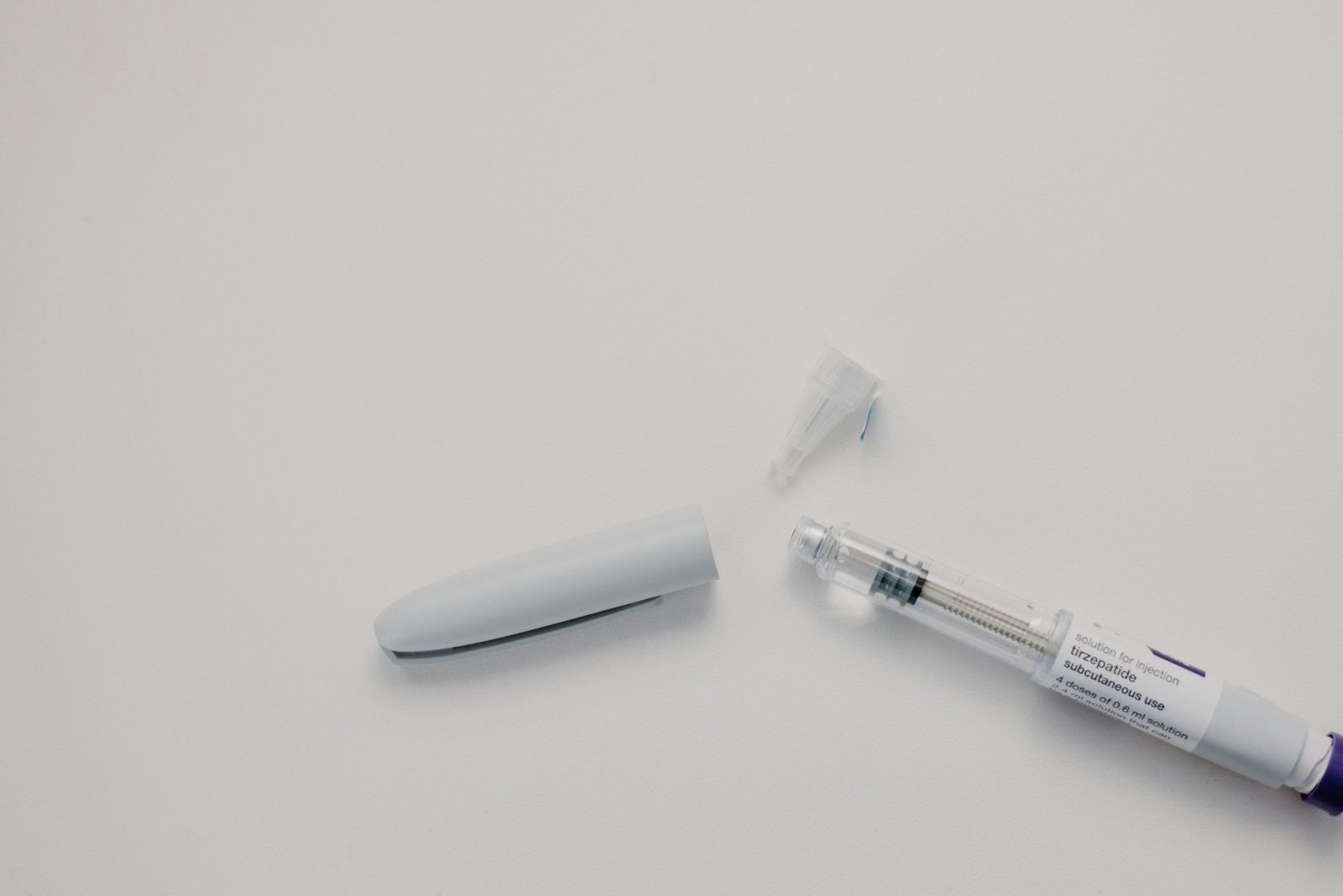
Tirzepatide, like retatrutide, is being used in similar research areas. It tends to appear in studies that deal with glucose signaling, hormone release, and how weight regulation ties into those responses. For scientists studying metabolic function, it offers a chance to test how different structures trigger or support known biological behavior. We offer tirzepatide as GLP-2 TZ (Tirzepatide), a dual agonist that targets GIP and GLP-1 receptors, also in the Weight Loss / Metabolic Support category and 99% HPLC tested for research use only.

Compared to other peptides in similar categories, tirzepatide is often evaluated for its multi-receptor interactions. It does not just act on one thing but may show cross-activity between receptor types. That makes it useful for layered research approaches, where labs are trying to learn not just whether a response happens, but how it unfolds over time.

Some labs are placing tirzepatide into longer-term routines, especially where data collection across changing lab conditions might lead to better predictive patterns. In those settings, even small shifts in how the peptide performs can add big value to future research rounds.

Comparing Study Focus: Retatrutide vs Tirzepatide

When we talk about research on retatrutide vs tirzepatide, it is not just an even match. Labs are looking at different triggers, results, and sometimes different goals altogether. Retatrutide tends to be studied for more direct receptor activation patterns, while tirzepatide may be evaluated for broader or more layered interactions.

Here is what those comparisons often boil down to:

  • Retatrutide tests often focus on single-pathway tracking, like direct GLP-1 receptor response
  • Tirzepatide studies may include overlap with GIP receptor activity or combination behavior
  • Researchers might use both in parallel to compare sequence reaction, trigger strength, or delayed feedback

Using both peptides in side-by-side studies gives scientists a sharper view of how receptor maps behave under stress, influence, or change. For that data to be useful, clarity on the test setup matters. Labs rely on consistent batch quality, detailed documentation, and tools that remove guesswork from the test process. Without it, comparisons fade into background noise.

When Timing and Climate Support Peptide Research

The seasonal timing of this work is not random. Early March often signals a shift in lab schedules. In places like Idaho Falls, cold weather is still settled in, and field experiments are limited. That is part of why indoor research steps forward right now.

Peptide studies benefit from this seasonal window. Teams turn to precision testing under temperature-controlled conditions, where research priorities can get organized without rushing against weather or availability. It is a focused time for planning out spring-to-summer projects and running side-by-side studies that need consistency.

By stacking retatrutide and tirzepatide during this time, labs can build stronger benchmarks. The consistency March provides helps lock in repeat travel down those receptor pathways, giving scientists reliable checkpoints and fewer variables getting in the way.

How Lab Results Help Shape Future Decisions

Every test result helps shape the next move. That is true whether a study reveals a clear link or rules something out entirely. The structure of retatrutide studies, along with what is learned from tirzepatide, offers a lot to work with when trying to plan ahead.

Here is how these lab results can help refine future research:

  1. Consistent behavior across repeated tests suggests strong receptor reliability
  2. Differences between retatrutide and tirzepatide help researchers zone in on more specific pathways
  3. By figuring out where activity overlaps or separates, scientists set up smarter trial layouts later on

That kind of direction matters when planning regenerative research or metabolic modeling. Labs that spend the time now sorting out those differences may find their work has more depth as spring and summer cycles arrive.

Why These Comparisons Matter for Smarter Research

When we compare peptides like retatrutide and tirzepatide, we are not just checking boxes. We are trying to spot patterns that make research more efficient. Understanding how each peptide interacts with cell receptors leads to cleaner starting points and more focused next steps.

Good science builds on repeatable work. Paying attention to how these responses stack up might feel tedious, but it keeps labs from redoing work or chasing short-term effects. When we study small differences with care, we create bigger potential for reliable, scalable discoveries down the line.

Planning upcoming lab work that compares peptide activity under different test conditions calls for clear expectations based on known response behavior. We have seen how differences between retatrutide and tirzepatide can influence study outcomes, especially when timed around seasonal shifts in controlled environments. For researchers evaluating study pathways involving energy balance or hormone signaling, taking a closer look at the unique characteristics in ongoing research on retatrutide vs tirzepatide can improve planning. Guardian Labs Blogs continues to support meaningful study by focusing on the details that shape long-term discovery. To discuss your next project or ask a question, contact us directly.

Why Retatrutide Research on Receptors Is Gaining Attention

Scientists are spending more time looking into how peptides affect the body, especially at the cellular level. One name that has been standing out lately is retatrutide. This research peptide is becoming part of more lab studies, particularly those examining how it affects receptor activity.

Retatrutide receptor activity research is receiving attention because it raises important questions about how the body responds at a more detailed level. Researchers want to know how this compound behaves when it meets specific receptor types. That type of study can help support theory and design for future lab work in areas such as metabolism, aging, and hormone balance. There is considerable curiosity in labs right now, and this is not occurring at random. Timing, tools, and questions are all aligning to make this kind of research more relevant than ever.

What Makes Receptor Activity Such a Big Deal

Inside every living system, there are small proteins called receptors. A good way to think of them is like switches. When something binds to them, such as a peptide, they shift into action. That signal can initiate a series of steps that affect how cells behave.

Receptors are important for understanding how compounds trigger, or do not trigger, certain responses. Scientists who study how peptides interact with receptors are really asking what happens next. Does the peptide cause a measurable shift? Does it spark a reaction that matters in the broader context of the study?

Even small variations in receptor response can change results. That is why researchers need to know how clearly and consistently a peptide interacts with its target. These details do not just add to the data sheet. They help shape smarter decisions about what kind of work comes next in the lab.

What Retatrutide Is and Why It Is Being Studied

Retatrutide is one of several peptides used strictly for research, noted for its role in studies related to metabolism, hormone control, and weight-related signaling. On our site, a retatrutide-based triple agonist appears under the GLP-3 RT product name in the Weight Loss / Metabolic Support category as a single-product research compound. Like our other peptides, it is listed as a 99% HPLC tested compound for research use only. Labs are not using it because it is a trend. They are using it because its structure makes it interesting to test in controlled studies where consistent response patterns matter.

In research settings, retatrutide may be tested for how it mimics or supports known hormonal behaviors. That means researchers are often examining how it acts in relation to specific biological pathways, including how it interacts with select cell receptors.

That is where keyword interest comes in. Retatrutide receptor activity research is not just another test. It is about finding out if this peptide does something specific and repeatable when paired with those receptors. The way its structure fits into current receptor-focused models is what makes it worth studying.

How Lab Testing Helps Show What Retatrutide Can Do

Knowing what retatrutide might do in the body starts with carefully controlled lab tests. Scientists use different tools to measure how active or inactive it is once paired with receptors.

Some labs use binding tests. These check whether a peptide even connects with certain receptors at all. It is a basic step, but it is important. If there is no binding, there is no activity.

Then come response tests. These are used in controlled settings to measure what happens after that connection is made. Does it trigger something? How fast? How strong? These details show whether the peptide behaves in a predictable way and whether that reaction is promising for further research.

The point is not to use these results as answers by themselves. The goal is to use the pattern of those results to determine if the peptide is worth testing further or refining as part of broader research.

Why Interest Is Growing in 2026

At this time of year, labs are entering a re-focus period. After the holiday lull and a patch of winter slowdowns, research groups are returning to structured progress. In a place like Idaho Falls, Idaho, where colder weather persists through March, lab teams often concentrate on detailed data work over field experiments. From our base in Idaho Falls, Idaho, we support U.S. labs with fast shipping and discreet packaging so winter conditions do not derail planned retatrutide studies.

That makes late winter a season for more platform testing and receptor mapping studies. There is also the schedule reset that often occurs when new funding cycles start. These overlaps encourage interest in high-detail studies, including those involving retatrutide.

Access to data-backed peptides and clearly documented batches makes it easier to start this work without doubts. That is one reason research teams are returning to studies such as this at the beginning of the year.

What Researchers Can Take Away from the Latest Studies

Even without dramatic outcomes, receptor activity studies offer important details for refining future steps. These tests help scientists build steady routines that deliver accurate outcomes they can rely on.

Here is what steady receptor analysis provides:

  • It creates a repeatable trail. With consistent behavior across tests, future work does not have to repeat the same questions.
  • It filters out bias. If a peptide either does or does not activate a receptor, that provides a measurable answer.
  • It helps researchers maintain focus. When certain factors can be ruled in or out confidently, it makes the broader goals easier to pursue.

Those goals usually align with broader research areas. Many labs studying retatrutide are connecting the results to weight signaling, regenerative processes, or stress-related endocrine testing. Understanding the receptor actions supports further work.

Why Every Detail Matters When Studying Peptide Activity

For receptor tests, details are critical. Small differences can disrupt weeks of lab effort. Studying how a peptide like retatrutide behaves is really about training scientists to pay close attention.

The increase in interest in retatrutide receptor activity research is not just driven by curiosity. It indicates a shift toward more foundational work. When labs dedicate the time to map pathways and collect repeatable data, it streamlines and strengthens future tests.

Reliable results do not come from shortcuts. They come from good habits. Receptor studies reinforce those habits. For labs committed to long-term research, this is what fosters progress. Peptides may be small, but what we learn from their interactions can lead to much larger outcomes.

Planning receptor mapping or signal tracking this season can set the stage for successful research. Now is the time to choose research peptides that support these goals. Many lab teams are focusing on retatrutide receptor activity research for its key role in studies of receptor interaction related to metabolic processes. At Guardian Labs Blogs, we understand how valuable it is to achieve consistent results from clearly documented compounds during this planning cycle. We are here to help if you have questions about selecting research materials or preparing for the next phase of study.

Retatrutide: How the Triple Agonist Is Reshaping Metabolic Research

A New Chapter in Metabolic Research with Retatrutide

Retatrutide is drawing a lot of attention in metabolic research right now. This triple agonist peptide gives scientists a way to study several key hormone receptors at the same time, instead of looking at just one pathway in isolation. That is a big shift for labs that want a clearer picture of how energy balance, appetite, and glucose control work together.

Before we go any further, we want to be very clear: Retatrutide from Guardian Labs is a research peptide only. For research use only. Not for human consumption. It is not an approved drug, and current work is focused on preclinical and clinical research settings under controlled protocols. As interest in the Retatrutide research peptide grows, our goal is to support careful, science-driven projects, not to promote medical use.

What Retatrutide Is and Why Triple Agonism Matters

Retatrutide is a synthetic peptide designed to act as a triple agonist at GLP-1, GIP, and glucagon receptors. In simple terms, that means it can activate three different hormone receptors that are all tied to metabolism. Instead of turning on one switch in the system, researchers can look at what happens when three related switches are activated together.

Earlier generations of research often used single-agonist compounds, for example, a GLP-1 agonist alone. Then came dual agonists that target GLP-1 and GIP, or GLP-1 and glucagon. Triple agonists like Retatrutide are the next step for labs that want to test more integrated models of energy and glucose control.

As interest in the Retatrutide research peptide grows, investigators are focusing on how its triple agonist profile may deepen understanding of energy balance and glucose regulation. We stay careful about language here. Retatrutide is under active investigation. It should not be described as a treatment or cure, and it should only be handled in qualified research environments.

How GLP‑1, GIP, and Glucagon Work in Simple Terms

To understand why Retatrutide is interesting, it helps to break down what each receptor does in research models.

GLP‑1 receptor activity often relates to:

  • Insulin secretion in response to glucose
  • Slowing of gastric emptying
  • Appetite and satiety signaling in the brain

GLP-1 receptor agonism has become a common way for scientists to explore glucose homeostasis and satiety pathways. By activating GLP-1, researchers can measure how test systems handle sugar, how fast food moves through the gut in models, and how appetite signals might shift.

GIP receptor activity is tied to:

  • Nutrient-dependent insulin responses
  • Fat metabolism and storage questions
  • Interactions with other incretin hormones

GIP is another incretin hormone, and its signaling is now often studied together with GLP-1. Many labs are asking whether combined GLP-1 and GIP signaling creates different patterns in metabolic regulation compared to either one alone.

Glucagon receptor activity is usually linked with:

  • Hepatic glucose output in models
  • Energy expenditure and resting metabolism research
  • Fat oxidation and thermogenesis pathways

Glucagon has long been known for raising blood glucose in response to low levels. More recent work looks at how balanced glucagon receptor agonism might help researchers probe mechanisms of fat burning and heat production in experimental settings.

By leveraging a triple agonist profile, the Retatrutide research peptide allows scientists to examine GLP‑1, GIP, and glucagon receptor interactions within a single experimental model. That kind of combined signaling is hard to study if you only have single- or dual-agonist tools.

How Triple Agonists Are Reshaping Metabolic Research

Triple agonists like Retatrutide help teams move beyond simple, one-pathway models of obesity and metabolic dysfunction. When three receptors are activated at once, it becomes easier to study hormonal crosstalk and system-level responses, especially in preclinical work and early human research under strict oversight.

Current Retatrutide research peptide projects often center on:

  • Appetite regulation and food intake patterns in models
  • Body weight and body composition mechanisms
  • Energy balance and resting metabolic responses

These findings are still exploratory. Any signals that look promising on paper need careful confirmation, usually across multiple models and controlled protocols. Results always have to be interpreted in the context of clearly designed studies.

Looking ahead, many groups are interested in how triple agonist platforms could speak to broader topics such as metabolic syndrome, cardiometabolic risk markers, and liver-related endpoints. This is about asking better questions and building clearer models, not about claiming clinical use.

Using Retatrutide in the Lab

Retatrutide is mainly handled in settings such as academic labs, contract research organizations, biotech groups, and institutional metabolic research units. These teams generally work under institutional review, ethics boards, and regulatory guidelines where required.

When labs consider adding Retatrutide to a project, they often focus on:

  • Clear endpoints, such as biomarker changes
  • Receptor signaling pathways of interest
  • Gene or protein expression profiles tied to metabolic control

Study design stays nonprocedural, and we do not discuss dosages or any type of administration. Instead, we encourage strong documentation, controlled conditions, and proper handling and storage as part of standard lab practice. Retatrutide is supplied strictly for laboratory and research purposes. For research use only. Not for human consumption.

When selecting a Retatrutide research peptide, laboratories typically evaluate purity, identity verification, and supporting analytical data before including the compound in experimental designs. That is where quality control really matters.

Quality, Purity, and the Guardian Labs Approach

At Guardian Labs, we focus on a clean, science-forward approach to research peptides. For Retatrutide and other compounds, we rely on independent third-party laboratories to confirm identity, purity, and potency for every batch we supply.

These outside labs use established analytical methods such as:

  • High-performance liquid chromatography, often shortened to HPLC
  • Mass spectrometry for identity checks

We provide a detailed Certificate of Analysis with every batch. Each COA gives researchers access to test methods, results, and lot-specific data. That level of traceability helps support reproducible research, because teams know exactly what material they are working with each time they place an order.

Guardian Labs supports rigorous Retatrutide research peptide projects by supplying high-purity material, third-party test results, and a full COA for each lot. We also keep a strict line between the research and clinical worlds. We do not offer medical claims, dosing guidance, or any suggestion of human use. Every product is sold for controlled laboratory research only.

As interest in the Retatrutide research peptide continues to grow, we stay focused on quality, transparency, and scientific clarity. Retatrutide is a powerful tool for exploring complex metabolic networks, but it belongs in the lab, not in consumer settings.

All Guardian Labs peptides, including Retatrutide, are intended solely for controlled research use. For research use only. Not for human consumption.

Advance Your Next Study With Trusted Peptides

If you are ready to take your metabolic or weight-management research further, our team at Guardian Labs Blogs is here to support your work. Explore the Retatrutide research peptide and other carefully sourced compounds designed for rigorous laboratory use. If you have specific protocol needs or dosing questions, contact us so we can help you move your project forward with confidence.

What Are Peptide Research Compounds Used For?

Peptide research compounds are used in labs across many types of research. Whether scientists are studying how cells grow or how proteins interact, these compounds help make that research possible. They’re created specifically for laboratory use and always come with documentation that confirms what’s inside, how pure the compound is, and how it should be stored.

During colder winter months, like February in Idaho Falls, planning becomes even more important. Low temperatures can affect how stable certain research materials stay during shipping or storage. Understanding when and how to work with these compounds helps labs avoid setbacks and get the most out of their work. Keeping compounds in good condition starts with knowing what they are and what to watch for.

Understanding What Peptide Compounds Are

Peptides are short chains of amino acids, which are the building blocks of proteins. While proteins are usually much longer and more complex, peptides are smaller and easier to study in controlled settings. That makes them useful for focused lab testing where precision matters.

Compounds labeled as “for research use only” are not made for human or animal consumption. Instead, they are tested and documented for use in non-clinical environments. They often come with a Certificate of Analysis that confirms what the peptide is, how pure it is, and what testing methods were used to check it. This helps labs know exactly what they’re working with before any study begins.

Study reliability often comes down to the details. A compound might seem fine at first look, but without proper labeling and verification, there’s no way to guarantee results. That’s why these reports and documents matter. They help researchers spend more time on the actual study, not second-guessing their tools.

Where Peptide Research Compounds Show Up in the Lab

Peptide research compounds are used in many types of scientific work. They help researchers study basic systems in the body or explore new treatment possibilities in a safe, controlled way.

Some areas where these compounds are commonly used include:

  • Metabolic studies to see how the body uses energy and nutrients.
  • Cellular repair research that looks at how tissues react after stress or injury.
  • Cognitive projects that explore how peptides may affect memory and focus.
  • Regenerative lab work focused on how cells grow or reproduce over time.

Each project has its own pace and goals. Some studies may take months, while others need quick results. The peptide selected has to fit the design of the experiment. For example, a high-purity peptide might be needed for a sensitive test where any contamination could change the outcome. Choosing the right compound for the right moment is part of what keeps research accurate and clear. We use peptide research compounds because they support this kind of focused, dependable lab work.

Planning Around Weather and Shipping Conditions

Research does not stop for the seasons, but peptides and other materials do react to temperature shifts. In Idaho Falls, where winter brings freezing weather and even snowstorms, the way shipments are packed, stored, and scheduled becomes a bigger part of the planning.

Cold weather can affect the structure of certain peptides if they’re not packaged or handled properly. That’s why we pay attention to how long shipping takes, what kind of containers are used, and where materials are stored once they arrive. Timing is just as important as testing.

Here are a few things we do when working with peptides during winter:

  • Keep storage units steady with no big temperature swings.
  • Limit time out of refrigeration during delivery or lab transfers.
  • Review labels and test results once packages arrive to make sure nothing changed.

These extra steps help protect both the materials and the studies they support. It is easier to stay on track when we know the products we’re using were stored and shipped the right way.

Important Details Labs Look For Before Use

Not all lab materials are equal, even when they look alike. Before using a peptide, we always check the documentation that came with it. These records tell us if the product matches the label and how it was tested.

What we look for most often:

  • Purity levels, listed as a clean percentage.
  • CAS number to confirm the chemical makeup.
  • Batch or lot ID numbers to trace where it came from.
  • Methods used during testing, like HPLC or mass spectrometry.
  • Storage instructions that help keep the product stable.

When these points are clear and complete, our confidence in the material goes up. If anything feels vague or out of place, it is a sign to slow down. Good research depends on consistency. If we repeat a test using another batch later, we want to know that every detail stayed the same. That kind of clarity starts with knowing what is in the bottle before it is ever opened.

Moving Forward with Smart, Safe Research

Peptide research compounds help make it possible to ask smarter questions and reach clearer lab results. They play a valuable role in helping researchers test how systems respond, correct, or shift over time. When materials are reliable, the results have more meaning.

Planning when and how to use these compounds is part of taking lab work seriously. From choosing the right product to adjusting for seasonal shipping, we take each step with care. Especially during February, when cold temperatures can introduce new challenges, staying prepared helps our projects move forward without surprises. Reliable materials lead to reliable research, and that is something we always work toward.

At Guardian Labs Blogs, we stay focused on helping labs run safer studies with better planning and well-documented materials. Winter research requires extra care, especially in colder areas like Idaho Falls, where shipping and storage need close attention. Whether your study involves metabolism, cell repair, or cognitive functions, having reliable information on what you’re using can make a real difference. To see what’s available now, browse our current selection of peptide research compounds and let us know how we can support your lab’s needs.

Steps to Set Up a Research Protocol for Metabolic Peptides

Getting started with metabolic peptide research takes more than a sample and a microscope. For clean, reliable results, every step needs a clear plan. That’s why peptide research protocols matter. These plans help keep everything on track from the first delivery to the final set of data.

In February, colder weather in places like Idaho Falls can affect how research materials are stored, shipped, and handled. If lab schedules don’t account for winter slowdowns or temperature-sensitive materials, a whole experiment can fall behind or need to be redone. Having a protocol in place early helps avoid those problems before they start. We’ll walk through how to set up a strong protocol that supports metabolic peptide studies from beginning to end.

Understand the Peptide’s Role in Your Study

Before setting schedules or unpacking orders, it helps to understand exactly what the metabolic peptide is expected to do. These peptides are often used in studies focused on energy use, metabolism, fat regulation, or cellular response. But not every compound acts the same.

Knowing what the peptide does helps shape your overall study goal. Are you looking for changes in cell behavior? Are you comparing it to a control or monitoring impacts over time? Once you’ve clearly tied the peptide to your research objective, you can better decide how to handle, dose, and measure it.

Here’s why this first step matters:

  • Choosing a peptide without knowing how it reacts under test conditions could waste weeks of lab work
  • If you’re unsure about the compound’s behavior, you risk misreading results or needing to repeat the experiment
  • A well-defined role for the peptide is the base for writing up your full lab process

Organize Your Materials and Team

Once the peptide is chosen and your focus is set, pull together everything you’ll need to run the tests. This goes beyond vials and pipettes. Think forms, storage setups, notebooks, and labeling supplies. It’s easier to build accurate data when everything is ready before you start measuring.

It also helps to assign clear roles to the people involved. Even in smaller labs, miscommunication can hold things up if no one’s sure who logs readings or double-checks freezer temps. As winter weather impacts shipping and lab deliveries, being organized can mean the difference between a smooth run and wasted reagents. Consider factors like:

  • Who handles logging and writes up sample notes
  • Who tracks reagent levels and restocks when needed
  • What backup plans are in place in case shipments hit delays

Early planning keeps the group aligned, especially when February brings freezing temperatures that can affect sample integrity if anything’s left out or delayed.

Build a Clear Testing Timeline

A detailed timeline gives your whole project structure. It maps out when the peptide is expected to arrive, when testing starts, and when final results are due. Building in extra time this season is especially important. Road closures, weather delays, or courier issues could slow down deliveries in cold regions.

Rather than rushing, schedule key points in advance. It helps your team spot any overlap or gaps before they interrupt the process. Use the timeline to plan out these core events:

1. Order and receive peptides

2. Set up the lab space and check equipment

3. Run any pre-tests or control experiments

4. Begin the main test cycle

5. Record data, clean up, and review

If you include time buffers between each step, your lab isn’t scrambling if gear breaks or a shipment takes an extra day. You’ll reduce stress and limit the chance of rushing through steps that matter most.

Draft and Review Your Procedures

Once the plan is in place, the next move is writing everything down as step-by-step procedures. These written directions are the heart of your protocol. They let everyone in the lab repeat the same steps the same way each time. You don’t need to overcomplicate it. Just keep things detailed enough that someone else could repeat the whole test without guessing.

To keep your testing consistent and safe, focus on:

  • Writing out each process clearly, including measurements and timings
  • Including steps for handling and disposing of materials
  • Listing safety rules, especially for chemical exposure or cold storage

Before going full speed, do a short practice run. This helps you catch unclear steps or anything that could cause a mistake later on. Cold tools or slow reactions can feel different in winter labs, even if they seem small. Adjusting early saves time down the line.

Log and Analyze Data Correctly

Once experiments start, the way you track and store data matters just as much as what you’re recording. Every piece of information, from sample times to temperature shifts, can change how results are read later. In colder months, it’s smart to check that freezers and room temps are holding steady. Small drops could change how the peptide behaves.

Here are simple but effective ways to keep research logs strong throughout the test period:

  • Label all sample containers clearly with dates, initials, and batch numbers
  • Write notes during each session, not after
  • Store digital and hard copies of data in at least two places
  • Review data often to catch patterns or mistakes early

Well-kept records make it easier to build on your results or compare findings with others. Peptide research protocols aren’t just for today’s test. They support future steps too. Good data gives your lab something solid to move forward with.

A Smoother Path to Stronger Metabolic Studies

Setting up clear peptide research protocols isn’t about being strict. It’s about giving your team the structure it needs to produce results you can trust. By thinking through each step, from storage and shipping to final sample logs, you avoid common setbacks and create a smoother road for your whole study.

February conditions may slow deliveries or change lab routines, but with smart planning and team coordination, those bumps don’t have to stall your progress. When everyone follows the same plan, your work will hold up better across time, seasons, and teams.

At Guardian Labs Blogs, we know strong research starts with the right tools, clear plans, and timing that fits your lab schedule. Whether you’re preparing for a cold-weather testing cycle or mapping out a new metabolic study, having structured support makes a big difference. If you’re ordering materials soon, double-check that your supplies match your timeline, especially during winter shipping seasons. You can explore resources that align with your peptide research protocols and build the kind of workflows your team can count on. If you have questions or need help getting started, contact us.

Why BPC-157 Purity Testing Matters in Lab Research

When a lab study depends on small differences in cell response or chemical behavior, purity matters more than most people think. That’s where peptide purity testing really comes into play. It helps confirm that a research peptide is exactly what the label says it is and nothing more. Clean, stable, and unaltered.

It’s not just a formality. During winter, especially in colder places like Idaho Falls in February, shipping delays and freezing temperatures can make these tests even more important. Samples might get bounced around in trucks or sit too long in unstable environments. Purity testing gives researchers a way to check that everything still holds up before putting any BPC-157 into motion in the lab. In some cases, researchers must wait out storms or road closures, making proper testing even more crucial for keeping projects on track and ensuring consistent conditions across multiple lots.

What Purity Means in a Lab Setting

Purity measures how much of the material in a vial is the actual peptide and how much could be leftover byproducts, moisture, or other residues. For a research peptide like BPC-157, that includes confirming the correct amino acid sequence and ensuring that degradation fragments or synthesis byproducts are minimized. It sounds simple, but there’s more at stake than just cleaning up. If the peptide isn’t as pure as expected, even tiny amounts of contaminant can cause results to be misleading or hard to repeat, impacting every part of the study.

Here’s why it matters:

  • Even a small contaminant can throw research off by affecting how cells or reactions respond
  • Unwanted material might mask or mimic lab results, making it hard to tell what’s real
  • Purity affects how repeatable the experiment will be over time or between test batches

In short, when we talk about purity in a lab, we’re not talking about being picky. We’re talking about protecting studies, making clean comparisons, and being able to draw useful conclusions that other researchers can actually trust. Researchers rely on predictable, consistent BPC-157 samples so that their work can be checked, confirmed, or repeated later by others in the field.

Common Testing Methods for Purity

We don’t rely on eyeballing a peptide sample. We test it with the same equipment most labs use when they need clear, detailed answers. Peptide purity testing often includes tools like HPLC and Mass Spec, each with a specific job.

Here’s how they help us out:

  • High-performance liquid chromatography (HPLC) breaks the sample apart and separates its components to measure how much of the sample is actually the BPC-157 peptide we expect
  • Mass spectrometry (Mass Spec) looks at the weight of the atoms and structure to confirm that the compound matches the correct molecular formula and sequence for BPC-157

These methods give us a full picture. Not just what’s there, but exactly how much, whether anything extra has snuck in, and whether the chemical structure still checks out. Without these checks, small errors could grow into bigger research problems down the road. Guardian Labs highlights 99% HPLC testing on its research-use-only compounds, including BPC-157, which gives researchers a clear benchmark to compare with their own purity results and COAs. Both HPLC and Mass Spec analyses offer repeatable, easy-to-interpret results, helping teams maintain high standards from shipment to storage to final use in experiments.

Sometimes, labs will run more than one round of tests to ensure that every BPC-157 sample remains stable, especially when delays or possible exposure to moisture are suspected. The backup of comprehensive documentation and third-party testing reports can help labs confirm that everything meets the expected requirements no matter how many hands a package passes through on its way to an Idaho Falls lab during February’s challenging weather.

Why Winter Shipping and Storage Adds Risk

Cold weather isn’t just uncomfortable, it can cause real problems when moving sensitive lab materials. In Idaho Falls, where February days often dip below freezing, transporting peptides like BPC-157 safely requires even more care.

What happens when things go wrong:

  • Freezing and thawing cycles can break down peptide bonds or change how the material holds together
  • Long delays or poorly sealed containers can let in moisture or air, both of which interfere with purity
  • When that happens, the actual results from testing might not reflect the peptide’s original condition

After delivery, we take a close look for clumps, discoloration, weird textures, or moisture build-up. Each sign might hint that it’s time to retest. Purity testing acts as a backstop. It gives us one more chance to catch damage before sample use starts changing the outcome of an entire BPC-157 project. Especially during colder months, it’s practical to store peptides in dedicated cold storage or use insulated containers when shipping between facilities. If samples look even a little different from previous batches or records, quick retesting ensures that work continues smoothly.

Taking the time to double-check sample quality in harsh weather keeps projects moving forward and helps teams avoid repeating long experiments throughout winter’s unpredictable months. Even a brief exposure to the freezing outdoor air when unloading a package can affect sample texture or create tiny water droplets inside the container, so clear visual checks, careful logging of arrival conditions, and detailed purity tests all come together to provide complete confidence in each BPC-157 sample’s reliability.

When Test Results Don’t Match Expectations

Sometimes, things don’t line up like they should. A purity number comes in lower than expected. Or the molecular structure shows a variation. When that happens, we don’t ignore it. We run checks again to figure out what changed.

Here’s what we usually see when testing turns up a problem:

  • Contamination that snuck in during handling, even from nearby equipment
  • A mix-up in fulfillment or tracking that sent out an incorrect batch
  • Improper storage that allowed exposure to heat, light, or moisture

When something feels off, it usually is. That’s why we retest when results don’t match expectations. One failed test doesn’t end the line of research, but ignoring it can waste time, materials, and months of careful planning. Confirming the cause behind a failed purity check can help avoid the same situation on future BPC-157 orders. Rearranging storage, updating documentation controls, or checking handling procedures are all steps that many Idaho Falls labs review each winter.

Recording both the original test results and any retesting data ensures that laboratories have a record to fall back on if a project is reviewed or repeated later. Testing when you spot odd results provides a safety net while helping labs maintain trusted, accurate reporting all winter long. Clear tracking and third-party data around BPC-157 testing also support transparent quality control for future experiments.

Starting Clean Makes a Big Difference

Good work always starts with good habits. And in research, that means beginning with materials we can trust. Peptide purity testing helps give labs that confidence. All BPC-157 products at Guardian Labs are sold strictly for laboratory research purposes. For research use only. Not for human consumption. Purity checks stay focused on supporting controlled studies, not treatment claims. The cleaner the material, the less likely it is that something unexpected will skew the data.

When studies stretch on for weeks or build on earlier phases, starting with a stable, tested BPC-157 peptide saves time and avoids backtracking later. We treat this part of the process as the first checkpoint, not an afterthought. Because when that first step goes right, everything else moves forward on much steadier ground.

At Guardian Labs Blogs, we know clear research starts with clear inputs, which is why we focus on keeping every step as consistent as possible. Storing, handling, and verifying each peptide matters even more when colder weather adds new variables to the mix. Working in the lab this season, don’t leave sample quality up to chance. Our support materials and quality checks can help guide your next steps in peptide purity testing. We are here for any questions or guidance you need, so reach out to us directly anytime.

Stay Updated on New Research Releases

Sign up and get 10% off your first order.

Address

9066 Green Lake Drive Chevy Chase, MD 20815

Whatsapp Us

(1800)-88-66-990

contact@example.com

Download the app now!

Guardian Labs is a trusted online company in the USA, providing high-quality research peptides.

Quick Links

contact Info

Address

1846 1st Street Ste. 150 Idaho Falls, Idaho 83401

Contact Us

support@guardianlabs.life

Our Payment Partners :

The statements made within this website have not been evaluated by the US Food and Drug Administration. The statements and the products of this company are not intended to diagnose, treat, cure or prevent any disease.
Products are chemical reagents for research use only and are not for human use. We do not sell to patients. Guardian Labs is a chemical supplier. Guardian Labs is not a compounding pharmacy or chemical compounding facility as defined

Copyright © 2025 Guardian Labs. All Rights Reserved.

Add to cart
0