

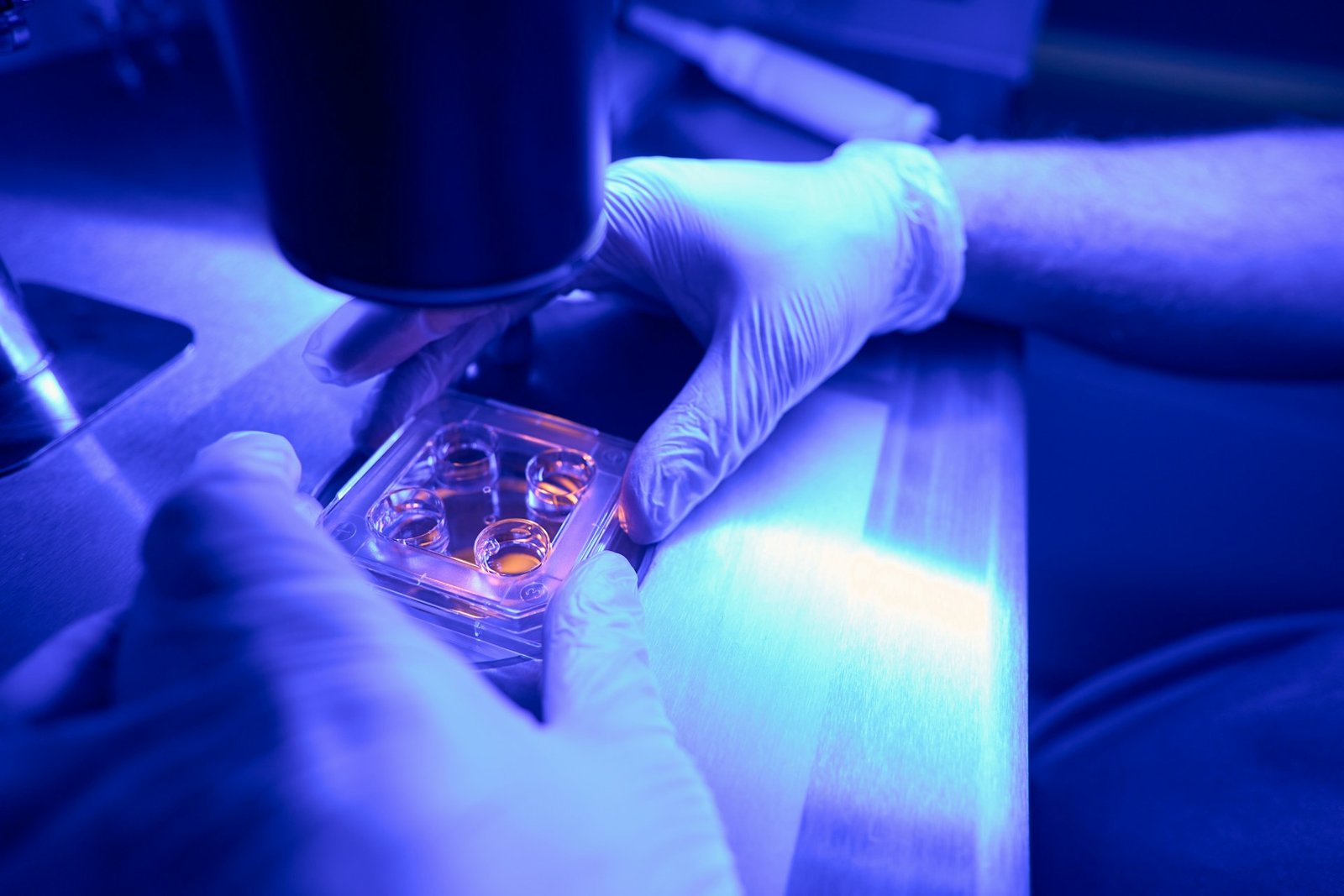
When researchers study how cells age, they’re often looking for clues about how our bodies change over time. The question isn’t just about living longer, but about how well cells hold up as the years pass. That’s where a compound called NAD+ has become such a strong point of focus in lab studies.
NAD+ research compound use has steadily increased among labs aiming to understand things like energy use, cell repair, and age-related changes. By taking a closer look at how this compound works inside cells, scientists are hoping to figure out why some cells age faster than others and what might help them stay stronger for longer.
These studies aren’t about quick fixes. They’re about watching cell behavior play out over time, step by step. As the understanding of cell aging has grown, NAD+ stands out for how it interacts with basic processes in cell health, making it a major focus in ongoing research.
What NAD+ Does in the Body
Cells run on energy, and NAD+ plays a big part in helping them get and use that energy. This compound is already present in the body, and it helps with key tasks like turning nutrients into fuel and supporting repair processes when cells get stressed or damaged.
But as people get older, their NAD+ levels can drop. This doesn’t happen all at once, and it doesn’t affect every person in the same way. Even a small decline, though, can make it harder for cells to recover or function well when under pressure.
Researchers are focusing on how this shift might explain changes in physical resilience. Lower NAD+ levels may play a part in how the body slows down or becomes more prone to illness.
While that’s still being studied, it’s clear this compound touches several critical systems in the body, not just energy metabolism. NAD+ is important because it supports so many natural processes, from how the body uses vitamins to how it takes care of damage after a long day.
Cells depend on it to keep their engines running smoothly, which is why understanding how it works is such a big focus for scientists.
Why Researchers Focus on NAD+ and Longevity
Cellular longevity isn’t some far-off idea. It’s really just the ability of cells to stay stable and working properly as time passes. And since wear and tear are part of life, researchers want to know how cells protect themselves and adapt when they don’t bounce back as easily as they once did.
NAD+ shows up again and again in these conversations. It connects with cell responses to stress and changes in metabolism. For research groups tracking long-term cell health, the NAD+ research compound gives them a focused way to look at those responses across time.
It’s not about big chunks of change but small shifts in patterns. If NAD+ helps cells do better under stress or repair more quickly, even by a small measure, those findings could affect how other treatments or models are developed later.
Watching how these changes add up is one way researchers hope to better predict how cells, and eventually people, respond to challenges over time. The goal is to keep learning about what helps cells stick around and function longer, which may one day help improve overall health in aging.
How NAD+ Research Compounds Are Used in Lab Studies
In controlled environments, scientists test how compounds like NAD+ interact with living cells. The goal isn’t just to prove something happens but to measure exactly how and when it happens.
What researchers look for usually includes:
- Whether cells absorb or shift their behavior when exposed to the compound
- If energy production in those cells improves or stabilizes
- And how cells react after repeated exposure across longer time spans
Even if changes appear small, spotting those effects early or repeating them with consistency tells researchers a lot. That’s why structure matters during testing. Labs track temperatures, timing, and purity so that results are clean and usable across different phases.
When it comes to longevity studies, patience pays off. Researchers might run phases that last weeks or months just to map out slow-moving effects. That makes dependable conditions, including good control groups, especially valuable. Maintaining steady records of all changes, including even subtle shifts in cell energy and repair activity, helps researchers build a more complete picture of how compounds like NAD+ really work.
Lab teams are careful when measuring outcomes because the changes in cells can develop slowly. Consistent documentation and repeated testing ensure that findings aren’t due to outside influences like temperature shifts or testing errors. In these studies, paying attention to every detail helps identify the real effects of compounds on cellular health and long-term resilience.
Why Timing Matters During NAD+ Studies
Spring tends to mark a shift in lab routines. After slowdowns during the colder winter months, new rounds of planning and testing usually begin. That makes late March a good time to regroup and prep for longer-term research efforts.
In places where the seasons hang on a little longer, like Idaho Falls, labs still face cooler temperatures as spring starts to take shape. This can be helpful for handling sensitive compounds, which often require cold storage or minimal shifts in shipping conditions.
Research teams use this time to gear up for:
- Energy-focused testing tied to season transitions
- Longer observation studies on cell aging and stress support
- New batch testing with freshly arrived materials like peptide samples
The NAD+ research compound is a common pick for projects that rely on clean baselines and clear response paths. When it’s part of early spring planning, labs have time to run extended trials before the heat of summer changes work conditions again.
Shifts in the seasons mean a lot for labs that focus on consistency. Reliable storage, cautious handling, and proper timing of new test batches are important steps that support stronger research outcomes. By planning these studies around seasonal changes, teams keep their results more consistent from one research cycle to the next.
Staying Focused on What NAD+ Can Teach Us
Tracking the way NAD+ interacts with cells tells us more than just how energy is used. It helps lay the groundwork for understanding how people age, stay active, or bounce back from daily wear and tear. These aren’t simple answers, but they’re steady ones.
Even changes that seem small, like a modest rise in energy or repair signals, can shape how labs think about long-term resilience. That’s why consistent study of this compound matters, and why so much care goes into keeping the testing environment structured and reliable across time. When research stays clear and focused, the results tend to speak louder.
A better understanding of NAD+ will keep shaping how research teams approach new questions about energy, repair, and aging. Watching the details unfold over time reminds scientists that progress in the lab takes patience and steady attention, even if the changes they see are measured one tiny step at a time.
Planning long-term studies on energy or cell resilience signals a prime time to build out your materials list with tested compounds that deliver consistent performance. Many labs are now running extended trials using a NAD+ research compound because of its role in studies focused on metabolic support and cellular repair.
Seasonal transitions influence lab timing and storage needs, making these compounds even more useful. At Guardian Labs Blogs, we support research with clearly documented products and fast shipping. Reach out to us today if you’re preparing for a new testing cycle or need help selecting the right tools for your upcoming protocols.