

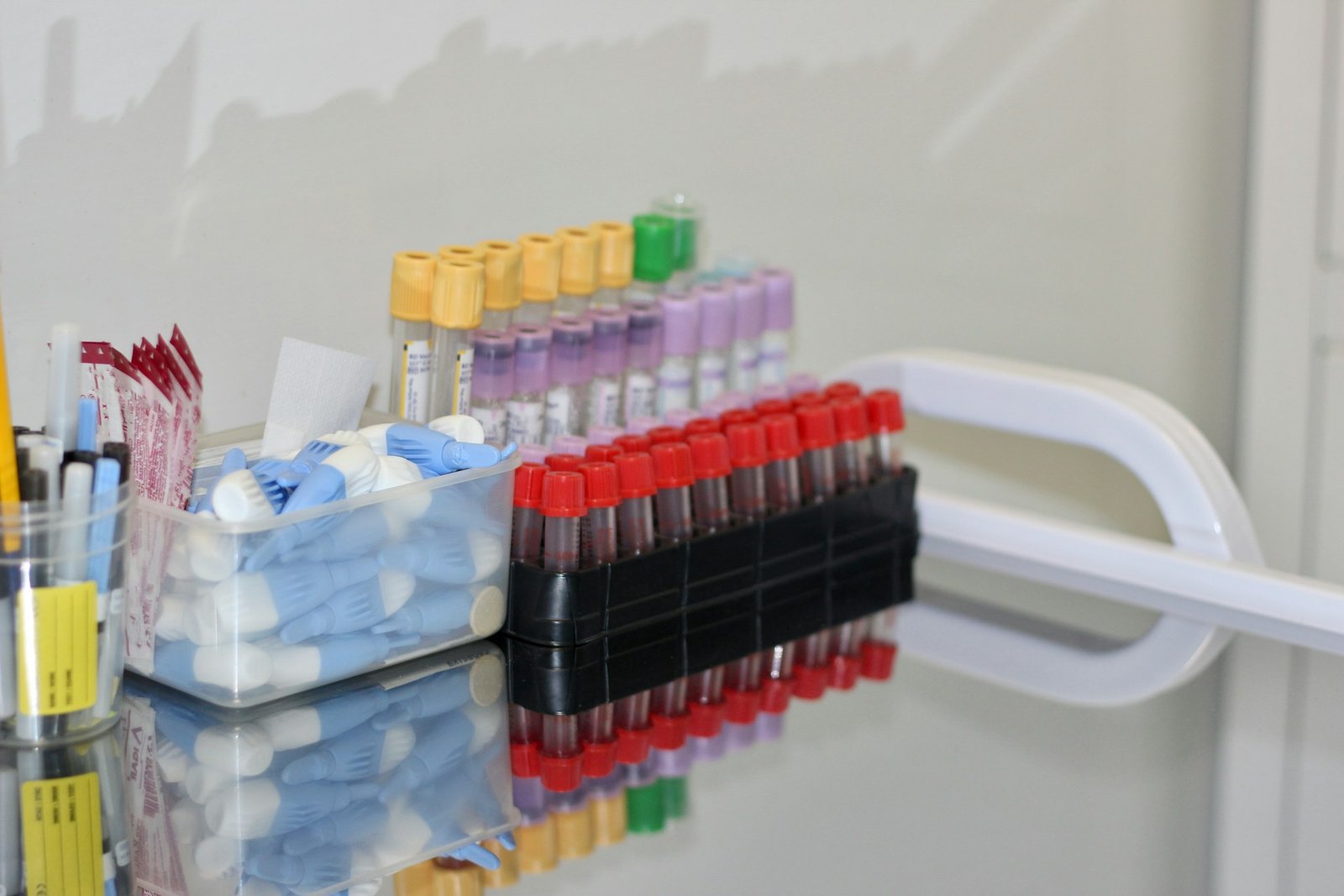
Before a research peptide is used in any lab experiment, it first has to pass a few important checkpoints. Scientists do not just take a vial at face value. They test it. They check that the peptide is what it says it is, that its structure is intact, and that it’s clean enough to deliver steady results. If those steps are skipped, no one can feel confident about what that material might do under the microscope.
That is why knowing how peptides are tested matters. It helps researchers stay on track, especially when they are working on projects where results have to be repeatable and trusted. A good test means fewer surprises and a whole lot more confidence in the work ahead.
What Labs Are Looking For When They Test
Every tested peptide starts with a question: does this sample meet research standards? Labs look at several things to answer that, and each one plays a different role in keeping the science solid.
Here are the key details researchers look at during testing:
- Identity, which confirms the sample actually is the peptide it is labeled as
- Purity, or how clean the sample is without leftover material from synthesis
- Stability, which shows how well the peptide holds its shape over time
- Contamination, which includes anything else that made it into the vial
Even small problems early on can throw off an experiment. If purity is lower than expected, or a mistake happened in how it was handled, that could mean ruined samples or missed results. So labs start with clean, careful reviews to give the whole process a strong foundation. It is not just about safety. It is about building research on solid ground. We focus on high-purity research-only peptides, which fits naturally with this emphasis on front-end testing before any work begins.
Common Testing Methods Scientists Use
When we test peptides, we rely on tools that can take a close look at a sample’s structure and composition. These tests are highly detailed, but the major ones only focus on a few key points. Two of the most common are HPLC and Mass Spec.
Here is how they work inside most labs:
- High-performance liquid chromatography (HPLC) is used to check for purity. It separates the contents of a sample to reveal how much of it is actually the peptide and how much is anything else.
- Mass spectrometry (Mass Spec) helps confirm the molecular structure. It measures the weight of the peptide and matches it with expected patterns, so scientists know the exact compound is present.
Testing does not stop there. Some labs also check how well a peptide performs across time or under specific conditions. But the basics come back to these two tests. They tell us most of what we need before any sample touches experimental tools. So when we say we know how peptides are tested, it is really about having clear results from trusted methods we have used again and again. On our site, research use only compounds are listed with 99% HPLC testing, underscoring how central these methods are to our peptide lineup.
How Environment Affects Testing Results
One thing we are always watching, especially in winter, is how a peptide reacts to its environment. Around late January, the temperatures in Idaho Falls can dip well below freezing. That kind of cold is not just uncomfortable. It can cause shifts in how samples hold up during shipping, storage, and testing.
Peptides do not handle wide temperature swings well. If a sample freezes, thaws, then freezes again, it may start to degrade. That can change the purity or affect how stable the compound stays in the lab. Even light and oxygen can play a role if a vial is not sealed tight or stored correctly.
To keep results accurate, scientists usually look for signs of trouble after shipment, such as:
- Changes in the appearance of the sample, like discoloration or clumping
- Differences in how much active material shows up on a second HPLC scan
- Storage conditions written on the COA not matching how the product was handled
This extra layer of awareness around climate is not just about risk. It is also part of making sure every batch lives up to expected quality. Research is already challenging enough. Environmental stress just adds another reason to double-check.
What Happens When a Test Comes Back Off
Not all tests give a thumbs-up. Sometimes, results come back with something out of line. Whether it is a purity number lower than expected or a structure mismatch that does not belong, bad data always needs a closer look.
Common problems that cause off results include:
- Improper or expired storage
- A mix-up during fulfillment where the wrong batch was sent
- Cross-contamination from equipment or during transferring
When those signs show up, researchers will often pause and retest. If the results repeat the problem, the sample gets pulled. That step keeps flawed material from working its way into active projects. In some cases, testing a backup batch or confirming with a trusted supplier can help restart progress. But the key here is listening to the test data. When a result is off, it is trying to say something important.
Strong Starts Lead to Solid Research
A single batch of peptides can be the basis for weeks or months of study. That is why clear, dependable testing from the start makes such a lasting difference. It saves time, keeps surprises to a minimum, and builds trust that holds up every step of the way.
The more we understand about how peptides are tested, the better we can protect the work that depends on them. Whether it is running a new set of lab trials or checking stored samples to match a control group, accuracy starts with the first check. Care in the beginning often means fewer problems down the line. And for labs that test, retest, and record everything they do, that careful start sets the tone for everything that follows. We note that all products are intended for laboratory research purposes only and are not for human consumption or therapeutic use, which keeps the focus on supporting controlled studies rather than treatment claims.
Planning future research or preparing a new batch means you need materials you trust. We take every step seriously from shipment conditions to storage checks, so your experiments start off right. Whether you are comparing data over time or confirming purity, knowing exactly how peptides are tested can boost your confidence in the results. Guardian Labs Blogs is here to support steady progress, so reach out to us with any questions about your next research order.


