


Description
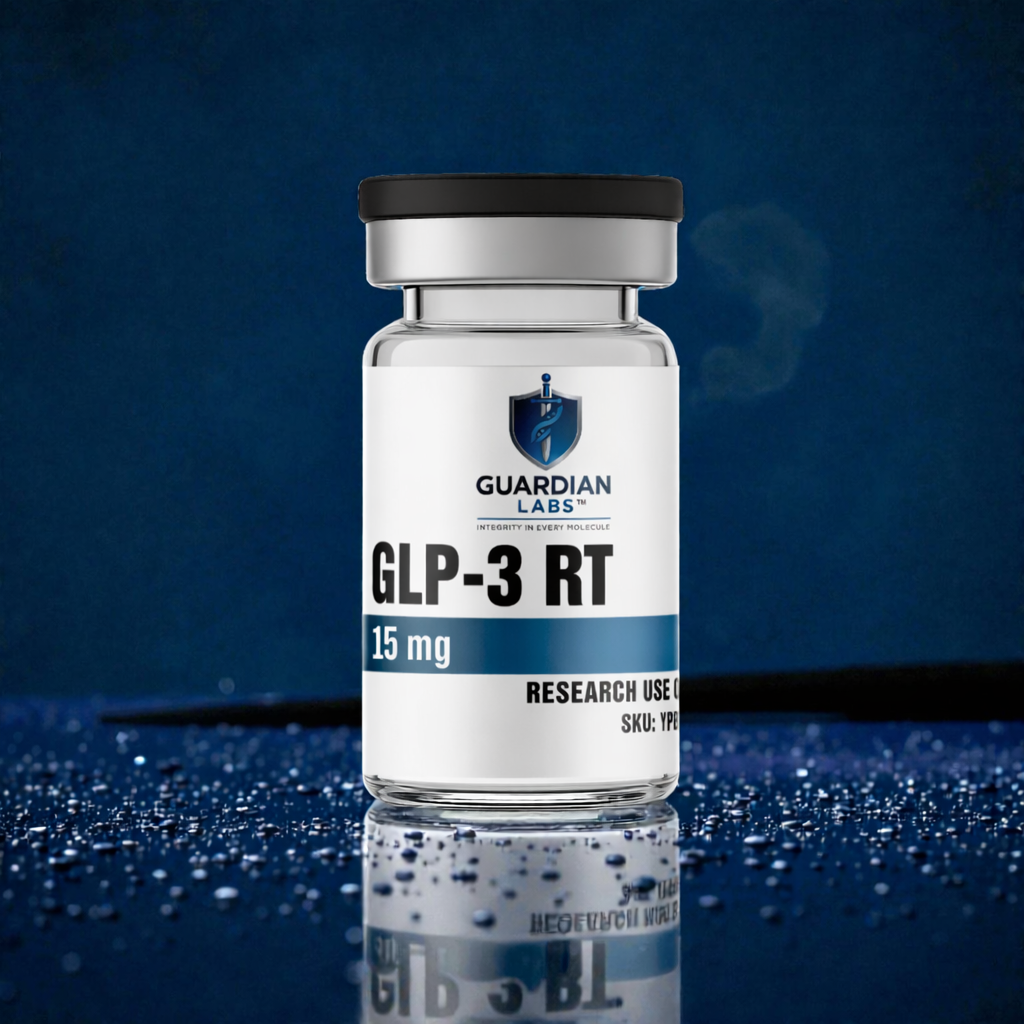
GLP-3 RT (Retatrutide)
GLP-3 RT, scientifically known as Retatrutide (LY3437943), represents the cutting edge of metabolic research. It is a synthetic “Triple Agonist” peptide that targets three distinct hormone receptors: Glucagon-Like Peptide-1 (GLP-1), Glucose-Dependent Insulinotropic Polypeptide (GIP), and the Glucagon Receptor (GCGR).
At Guardian Labs, we offer GLP-3 RT in its purest lyophilized form. Each batch undergoes rigorous HPLC testing to ensure >99% purity, providing researchers with the most reliable material for investigating advanced metabolic pathways and obesity models.
What is GLP-3 RT (Retatrutide)?
GLP-3 RT is a single peptide molecule designed to activate the body’s three primary nutrient-stimulated hormone receptors simultaneously. This sets it apart from earlier generations of peptides that targeted only one (like Semaglutide) or two (like Tirzepatide) receptors.
By adding the third mechanism—Glucagon Receptor agonism—researchers believe GLP-3 RT creates a unique synergy. While GLP-1 and GIP work to improve insulin sensitivity and satiety, the Glucagon component is studied for its ability to increase energy expenditure (calorie burning) directly within the liver and adipose tissue.
Mechanism of Action: The “Triple G” Effect
GLP-3 RT is unique in its ability to bind to and activate:
GLP-1 Receptor: Promotes satiety, slows gastric emptying, and improves insulin secretion.
GIP Receptor: Enhances insulin release in response to nutrients and improves lipid metabolism.
Glucagon Receptor (GCGR): Increases basal metabolic rate and promotes lipolysis (fat breakdown) in the liver, a mechanism not present in dual agonists.
Potential Research Applications
Retatrutide is currently the subject of intense scientific scrutiny. Key areas of investigation include:
Maximum Weight Reduction: Animal models and early clinical trials suggest Retatrutide may offer superior weight reduction compared to existing mono- and dual-agonists.
Liver Health (NAFLD): Due to its direct action on hepatic glucagon receptors, GLP-3 RT is being researched for its potential to clear liver fat more effectively than other incretins.
Metabolic Flexibility: Studies are examining how the simultaneous activation of these three pathways affects total energy expenditure and glucose homeostasis.
Scientific References
To validate the triple-agonist mechanism, we reference the following pivotal studies.
1. Triple-Hormone-Receptor Agonism
Summary: This landmark study in the New England Journal of Medicine evaluated Retatrutide in adults with obesity. The results demonstrated a dose-dependent reduction in body weight that significantly exceeded benchmarks set by previous GLP-1 agonists, validating the efficacy of adding the Glucagon receptor target.
2. Glucagon Receptor Impact on Energy Expenditure
Summary: Preclinical research highlights that the inclusion of Glucagon receptor agonism increases energy expenditure (thermogenesis). This study suggests that while GLP-1 reduces food intake, the Glucagon component actively increases calorie burning, offering a “two-pronged” approach to weight loss.
3. Hepatic Fat Clearance
Summary: Research focusing on non-alcoholic fatty liver disease (NAFLD) has shown that Retatrutide significantly reduces liver fat content in trial subjects. The data suggests the peptide improves hepatic mitochondrial function via the GCGR pathway.
Product Specifications
Name: Retatrutide (GLP-3 RT)
Format: Lyophilized Powder (Freeze-dried)
Vial Size: 5mg / 10mg
Purity: >99% (HPLC Verified)
Storage: Store at -20°C. Reconstitute with Bacteriostatic Water.
Disclaimer: All products listed on this site are for laboratory research and development purposes only. They are not intended for human consumption, diagnostic, or therapeutic use. Customers must be at least 18 years old to purchase.







Reviews
There are no reviews yet.