

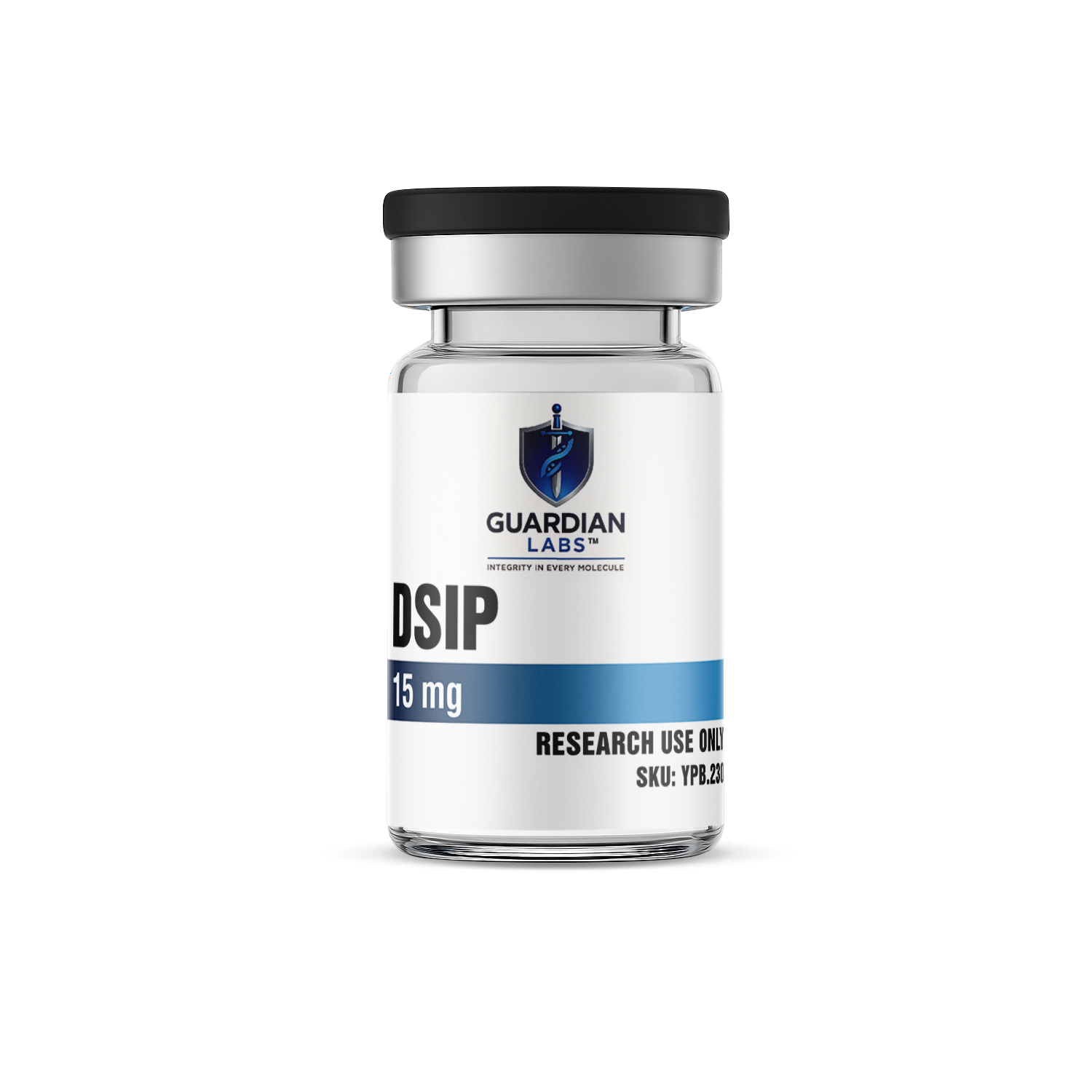
Description
Research-Focused Benefits
• Sleep Cycle Models
Used in studies that examine REM patterns, sleep depth and circadian regulation.
• Stress Adaptation Research
Evaluated for its role in modulating stress responses and hormonal balance.
• Neuroendocrine Pathway Studies
Reviewed in controlled settings exploring pituitary activity and peptide hormone signaling.
• Neural Protection Models
Investigated for its influence on oxidative stress, cellular stability and recovery pathways.
• Mood and Calmness Research
Common in studies focused on relaxation signaling and autonomic balance.
Common Research Patterns
Exposure Range
Non-clinical studies often explore 100–500 mcg per session when modeling neuropeptide or stress-response pathways.
Timing
Most research designs introduce DSIP once per day during the model’s rest or recovery phase.
Frequency
Typical schedules include 5 to 7 sessions per week, depending on study objectives.
Cycle Duration
Observation cycles commonly run 4 to 8 weeks, followed by a 2 to 4 week pause before the next research phase.
RUO Disclaimer
For laboratory research only. Not for human use. Not medical advice.




Reviews
There are no reviews yet.